Navratan- The Online Gem Bazar

Our Legacy of Craftsmanship
Founded in 2020 in Jaipur, India, our company is dedicated to providing exceptional gemstones of unparalleled quality. With a focus on precision and artistry, we curate a diverse range of natural gems and custom jewelry to meet the unique tastes of a global clientele. Our commitment to excellence ensures that every piece embodies elegance and authenticity.
Custom Jewelry Expertise
Tailored Creations for Your Unique Style

Global Shipping Solutions

We ensure reliable and secure delivery of our exquisite products to clients worldwide.

Custom Jewelry Design

Our artisans craft bespoke jewelry, blending creativity with precision to realize your distinct vision.

Natural Gemstone Selection

We specialize in curating a wide assortment of high-quality natural gemstones sourced from diverse origins.


 The gemstone I purchased was exquisite, exceeding my expectations. Highly recommended! 

Sophia R.
Gemstone Enthusiast
     

 Their custom jewelry service truly impressed me with its quality and precision. 

Michael T.
Satisfied Customer
     

 I'm thrilled with the reliability of their global shipping and customer service. 

Emily K.
International Buyer
     

  • Manhattan, New York, NY, United States

02Oct

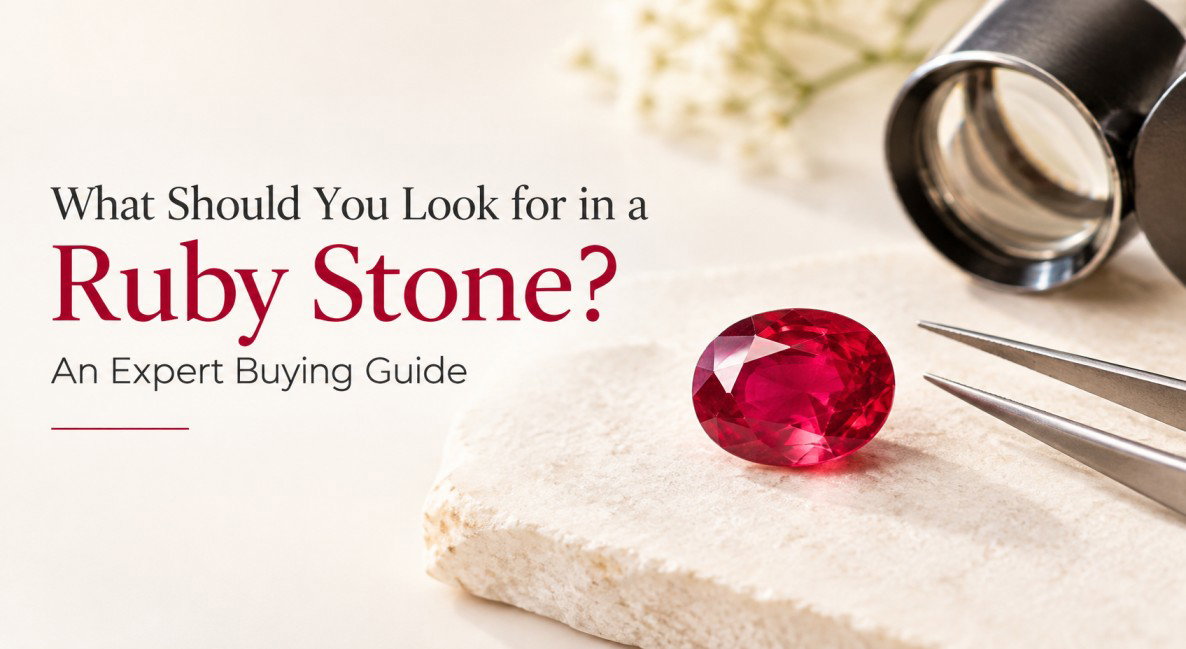
A ruby stone has long been admired for its rich red color, timeless beauty, and place in fine jewelry. Whether you are purchasing a ruby stone for a ring, pendant, bracelet, or as a collector’s gemstone, choosing the right stone requires more than simply looking for the brightest red gem.The quality and value of a ruby can vary significantly depending on several characteristics, including color, clarity, cut, carat weight, origin, and treatment. Understanding these factors can help you make a more informed purchase and avoid common buying mistakes.

1. Pay Attention to Ruby Stone Color

Color is one of the most important factors when evaluating a ruby stone. High-quality rubies generally display a strong, vivid red appearance with good saturation.You may come across rubies in shades ranging from pinkish-red to deep red. Some exceptional stones have an intense red appearance that is highly sought after by collectors and jewelry buyers.However, a very dark ruby is not automatically a better ruby. The ideal color depends on the stone's overall balance of hue, tone, and saturation. Look at the gemstone under different lighting conditions before making a decision.

2. Check the Ruby's Clarity

Natural rubies commonly contain inclusions. In fact, completely inclusion-free natural rubies are extremely rare.Small inclusions do not necessarily mean that a ruby is poor quality. What matters is their size, location, type, and how much they affect the gemstone's transparency and appearance.When purchasing a ruby stone, inspect it carefully with appropriate magnification or ask the seller to provide clear photographs and videos. Large or heavily concentrated inclusions that reduce transparency may affect the stone's beauty and value.

3. Examine the Cut and Shape

A well-executed cut allows a ruby to display its color and brilliance effectively. Even a high-quality rough gemstone can look less attractive if it has been poorly cut.Popular ruby shapes include oval, cushion, round, pear, and emerald cuts. The right shape ultimately depends on your jewelry design and personal preference.When examining a cut ruby, look for balanced proportions, good symmetry, and a polished surface. The gemstone should interact attractively with light without appearing excessively dull or uneven.

4. Consider Carat Weight Carefully

Carat weight refers to the weight of the gemstone, not necessarily its visual size. Two rubies with the same carat weight can appear different in size depending on their proportions and cut.Ruby prices can also increase significantly as carat weight rises, particularly when the stone combines desirable color, clarity, and quality.Instead of choosing a ruby simply because it has a higher carat weight, consider how its overall characteristics fit your budget and requirements.

5. Understand Natural and Treated Rubies

One of the most important questions to ask before buying a ruby is whether it has undergone treatment.Heat treatment is commonly used in the gemstone industry to improve the color and clarity of rubies. Treated rubies can still be beautiful gemstones, but the treatment should be clearly disclosed to buyers.If you are specifically looking for an unheated or untreated ruby, request appropriate documentation and independent verification. Never assume that a ruby is untreated simply because the seller describes it as natural.

6. Always Ask About Certification

A gemstone certificate can provide important information about the ruby you are considering. Depending on the laboratory and report, certification may include details such as gemstone identity, weight, dimensions, color, treatment status, and other characteristics.For a valuable certified ruby stone, an independent laboratory report can provide additional confidence about what you are purchasing.Before buying, check the certificate details carefully and make sure the report corresponds to the actual gemstone. If a report number can be verified online, use the laboratory's official verification system where available.

7. Consider the Ruby's Origin

Ruby deposits are found in several parts of the world, including Myanmar, Mozambique, Sri Lanka, Thailand, and other regions.Origin can sometimes influence a ruby's desirability and market value, particularly when a gemstone comes from a historically important source. However, origin alone does not determine whether a ruby is high quality.The gemstone's actual characteristics should always be considered alongside its claimed origin. If origin is an important factor for you, look for a reputable laboratory report that provides an origin opinion.

8. Compare Price With Quality

Ruby prices can vary dramatically. Factors such as color, clarity, carat weight, treatment, origin, certification, cut, and overall beauty can all influence the price.A higher price does not automatically guarantee a better ruby, just as a lower price does not necessarily mean you have found a bargain.Before purchasing, compare stones with similar characteristics and ask the seller why a particular ruby is priced at that level. This can help you understand what you are actually paying for rather than focusing only on the size of the gemstone.

9. Choose a Reputable Seller

Where you buy your ruby is just as important as the gemstone itself. Look for sellers who provide transparent information about gemstone quality, treatments, certification, return policies, and pricing.For buyers exploring certified and natural gemstones, Navratan – The Online Gem Bazar provides a range of gemstone options along with information designed to help customers understand their purchases.A trustworthy seller should be willing to answer questions and provide relevant documentation instead of pressuring you into making a quick decision.

Final Thoughts

Buying a ruby gemstone is an investment in beauty, craftsmanship, and, in many cases, significant value. Rather than choosing a gemstone based only on its color or price, examine the complete picture.Pay attention to color, clarity, cut, carat weight, treatment, certification, origin, and seller transparency. Take your time, compare multiple stones, and ask questions before completing your purchase.Whether you are buying a ruby for everyday jewelry, a special occasion, or a gemstone collection, understanding these factors can make the buying process more informed and confident. A well-selected ruby is not simply a red gemstone—it is a combination of natural characteristics, craftsmanship, documentation, and quality that makes each stone unique.

30Sep

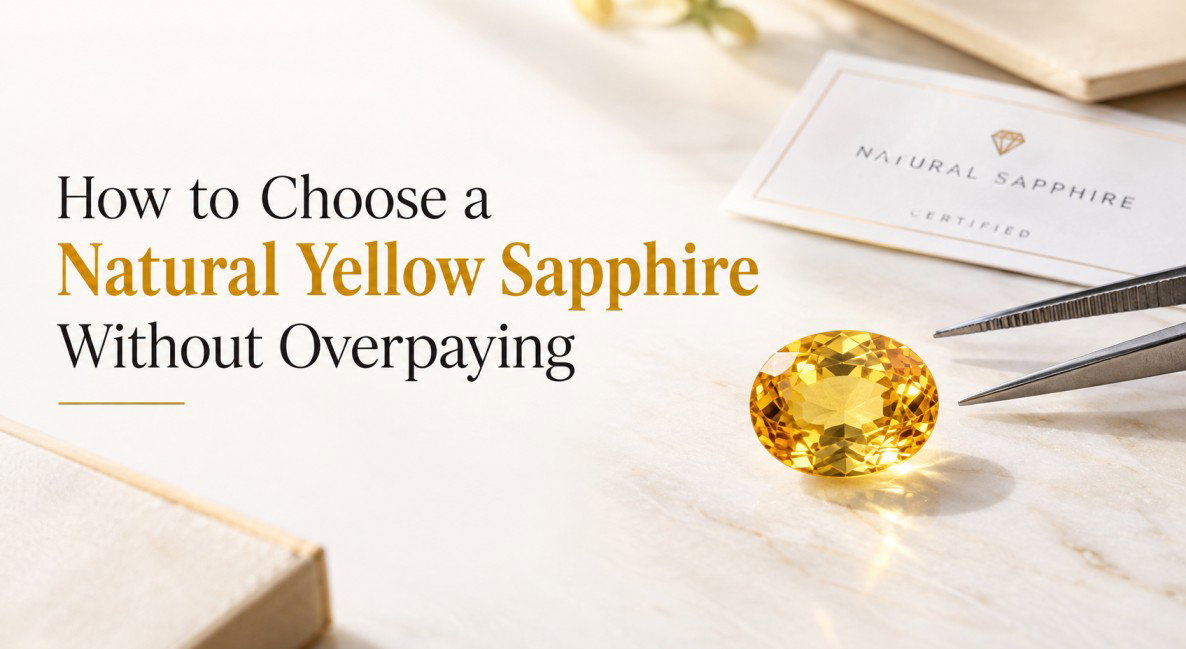
Buying a gemstone can be exciting, but it can also be confusing when you see large differences in prices for stones that appear similar. This is especially true when shopping for a Yellow sapphire, commonly known as pukhraj. The price can vary significantly depending on factors such as origin, color, clarity, carat weight, treatment, certification, and overall quality.If you are planning to buy a pukhraj stone, understanding these factors can help you make an informed purchase without paying more than the gemstone is worth.

1. Understand What Makes a Yellow Sapphire Valuable

The value of a Yellow sapphire stone is not determined by weight alone. Two stones with the same carat weight can have very different prices because of their quality.Color is one of the most important factors. A natural stone with an attractive, well-saturated yellow color can command a higher price. Clarity, cut, transparency, origin, and treatment status also influence its value.Before purchasing, compare gemstones based on their complete quality profile rather than choosing a stone simply because it has a lower price.

2. Check Whether the Stone Is Natural

One of the most important steps is determining whether you are buying an original yellow sapphire stone. Synthetic or heavily treated stones can look attractive but may have significantly different market values.Ask the seller for information about the gemstone's origin and treatment. If you are specifically looking for an original pukhraj stone, avoid making a decision based only on photographs or color.A reputable seller should be transparent about the gemstone's characteristics and provide appropriate documentation.

3. Always Look for Certification

A Certified Yellow Sapphire can provide useful information about the gemstone's identity and characteristics. Depending on the laboratory, a report may mention details such as natural or synthetic status, treatments, weight, measurements, and other identifying characteristics.Certification is particularly important when you are considering a higher-value purchase. However, remember that a certificate does not automatically mean that every stone with a certificate is worth a premium. You should still evaluate color, clarity, cut, weight, treatment, and overall quality.If you see the term Certified Yellow Sapphire, check which gemological laboratory issued the report and verify the report details where possible.

4. Compare Prices Instead of Choosing the Cheapest Stone

Searching for the original pukhraj stone price can give you an idea of the market, but there is no single fixed price for every gemstone.The Yellow Sapphire price can vary according to carat weight, color quality, clarity, origin, treatment, certification, and availability. Similarly, the yellow sapphire cost may change considerably between commercial-grade and premium-quality stones.Instead of asking only, "How much does a yellow sapphire cost?", compare stones with similar specifications. This gives you a much more realistic understanding of value.

5. Be Careful With Extremely Low Prices

An unusually cheap gemstone may seem like a great deal, but a very low price deserves closer examination.If a seller advertises an original pukhraj stone at a price far below comparable stones, ask why the price is lower. The gemstone could have different quality characteristics, treatments, inclusions, or may not be natural.The same applies when comparing yellow sapphire stone price listings online. Look beyond the headline price and check the carat weight, certification, treatment, color, clarity, and photographs.

6. Don't Confuse Names With Quality

Yellow sapphires are known by different names in different regions and traditions. For example, pukhraj stone is another traditional name associated with yellow sapphire.However, a different name does not automatically indicate superior quality. The gemstone should still be evaluated based on measurable characteristics and proper documentation.Whether you search for pukhraj, yellow sapphire, or pukhraj stone, focus on the actual gemstone rather than relying only on terminology.

7. Choose the Right Carat Weight for Your Budget

A larger gemstone isn't necessarily the best choice for every buyer. Increasing carat weight can significantly increase the overall price, particularly when the gemstone also has strong color, good clarity, and desirable origin.Set your budget first and then compare stones within that range. A smaller, high-quality gemstone may offer better value than a much larger stone with significant inclusions or less attractive color.

8. Buy From a Transparent Seller

The seller you choose can make a major difference in your buying experience. Look for clear product information, certification details, treatment disclosure, return policies, gemstone photographs, and customer support.Navratan - The Online Gem Bazar focuses on providing gemstone buyers with detailed product information so they can compare their options more confidently.Whether you are searching for an original pukhraj stone, a Certified Yellow Sapphire, or a specific Yellow sapphire stone price, having access to relevant gemstone details can make the purchasing process easier.

Final Thoughts

Choosing a natural gemstone does not have to mean choosing the most expensive option. The key is understanding what you are paying for.Before purchasing a Pukhraj stone, compare its color, clarity, cut, carat weight, treatment status, certification, and other quality factors. Check whether the gemstone is natural and ask for proper documentation.Most importantly, don't judge value by price alone. A transparent comparison between gemstones with similar characteristics can help you find a stone that fits both your preferences and your budget.If you're exploring natural gemstones, Navratan - The Online Gem Bazar can help you discover and compare gemstone options with relevant product information and certification details before making your purchase.


29Sep

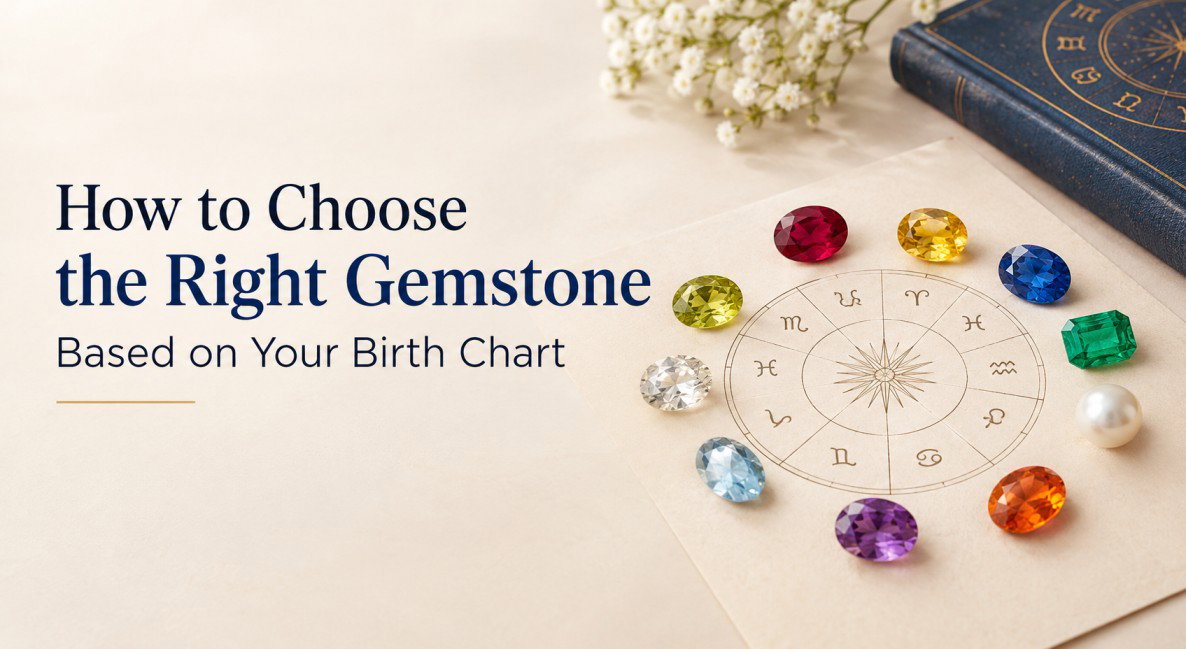
For centuries, gemstones have been valued not only for their beauty but also for their astrological significance. According to Vedic astrology, each planet governs specific energies that influence different aspects of life, including career, relationships, finances, health, and personal growth. Wearing the right gemstone can help strengthen favorable planetary influences and support your life goals. However, choosing a birthstone is not as simple as selecting your favorite color or birth month stone. The most effective gemstone is one that aligns with your unique birth chart.In this guide, we'll explain how to choose the right gemstone based on your birth chart and why expert guidance is essential before making a decision.

Understanding the Role of Gemstones in Astrology

A birth chart, also known as a natal chart or Kundli, is a map of planetary positions at the time of your birth. Each planet in your chart influences different areas of your life. When a beneficial planet is weak or needs support, astrologers may recommend a gemstone associated with that planet.The purpose of an astrological gemstone is to strengthen positive planetary energies and help the wearer experience the planet's favorable effects more effectively.

Why Your Birth Chart Matters

Many people make the mistake of choosing a gemstone based solely on their zodiac sign. While zodiac signs provide general guidance, a birth chart offers a much more accurate analysis.Your birth chart reveals:

  • The strength and placement of planets
  • Favorable and unfavorable planetary influences
  • Current planetary periods (Mahadasha and Antardasha)
  • Areas of life that need support
  • Suitable gemstones based on your unique astrological makeup

A gemstone that benefits one person may not be suitable for another, even if they share the same zodiac sign.

Gemstones and Their Planetary Associations

In Vedic astrology, each major planet is linked to a specific gemstone:

Sun – Ruby (Manik)

Ruby stone is associated with confidence, leadership, authority, and self-expression. It is often recommended for individuals seeking recognition, career advancement, and stronger personal influence.

Moon – Pearl (Moti)

Pearl is connected with emotional balance, mental peace, intuition, and nurturing energy. It may be recommended for those seeking emotional stability and inner calm.

Mars – Red Coral (Moonga)

Red Coral is linked to courage, determination, vitality, and action. It is often associated with leadership, confidence, and overcoming obstacles.

Mercury – Emerald (Panna)

Emerald is connected with communication, intelligence, learning, business, and analytical abilities. It is popular among students, professionals, and entrepreneurs.

Jupiter – Yellow Sapphire (Pukhraj)

Yellow Sapphire symbolizes wisdom, prosperity, growth, education, and spiritual development. It is one of the most sought-after gemstones in Vedic astrology.

Venus – Diamond or White Sapphire

These gemstones are associated with love, luxury, creativity, relationships, beauty, and artistic expression.

Saturn – Blue Sapphire (Neelam)

Blue Sapphire is linked with discipline, responsibility, focus, career growth, and long-term success. It is considered one of the most powerful astrological gemstones.

Rahu – Hessonite (Gomed)

Hessonite is associated with clarity, confidence, and navigating uncertainty. It is often recommended when Rahu plays a significant role in the birth chart.

Ketu – Cat's Eye (Lehsunia)

Cat's Eye is linked with spiritual growth, intuition, and protection. It is typically recommended under expert astrological guidance.

Steps to Choose the Right Gemstone

1. Get Your Birth Chart Prepared

The first step is obtaining an accurate birth chart using your:

  • Date of birth
  • Time of birth
  • Place of birth

Even a small error in birth time can affect the chart and lead to incorrect gemstone recommendations.

2. Identify Beneficial Planets

An experienced astrologer analyzes your chart to determine which planets are favorable and which ones need strengthening.Not every weak planet should be strengthened. Sometimes a weak planet may create challenges if amplified, making professional analysis essential.

3. Consider Your Current Life Goals

The right gemstone may depend on what you wish to improve in your life.For example:

  • Career growth may involve Sun, Mercury, Jupiter, or Saturn.
  • Relationships may involve Venus or Moon.
  • Education may involve Mercury or Jupiter.
  • Confidence may involve Sun or Mars.

Your chart and goals should be evaluated together.

4. Choose a Natural, Certified Gemstone

The effectiveness and value of a gemstone depend heavily on its authenticity and quality. Natural, untreated gemstones are generally preferred for astrological purposes.Important factors include:

  • Natural origin
  • Certification from a trusted gemological laboratory
  • Good clarity and color
  • Appropriate weight based on astrological recommendations

Common Mistakes to Avoid

When selecting an astrological gemstone, avoid:

  • Choosing solely based on zodiac signs
  • Wearing gemstones without chart analysis
  • Buying uncertified stones
  • Following generic online recommendations
  • Ignoring professional astrological advice

A personalized recommendation is always more reliable than a one-size-fits-all approach.

Expert Guidance Makes the Difference

Because every birth chart is unique, gemstone recommendations should be personalized. A professional astrologer can evaluate planetary strengths, current planetary periods, and your life goals to suggest the most suitable gemstone.At Navratan Gems, customers can explore a wide collection of certified natural gemstones, including Yellow Sapphire, Blue Sapphire, Emerald, Ruby, Red Coral, Hessonite, Cat's Eye, and more. The platform also offers expert gemstone consultation services to help individuals identify the gemstone that best aligns with their birth chart and personal requirements.

Final Thoughts

Choosing the right gemstone based on your birth chart is a personalized process that goes beyond zodiac signs and popular trends. By understanding your planetary influences and seeking expert guidance, you can select a gemstone that aligns with your astrological profile and life objectives.Whether you are seeking career growth, emotional balance, prosperity, or personal development, the right gemstone begins with an accurate birth chart analysis and a genuine, certified stone. Investing time in proper guidance can help you make an informed decision and choose a gemstone that truly complements your journey.


28Sep

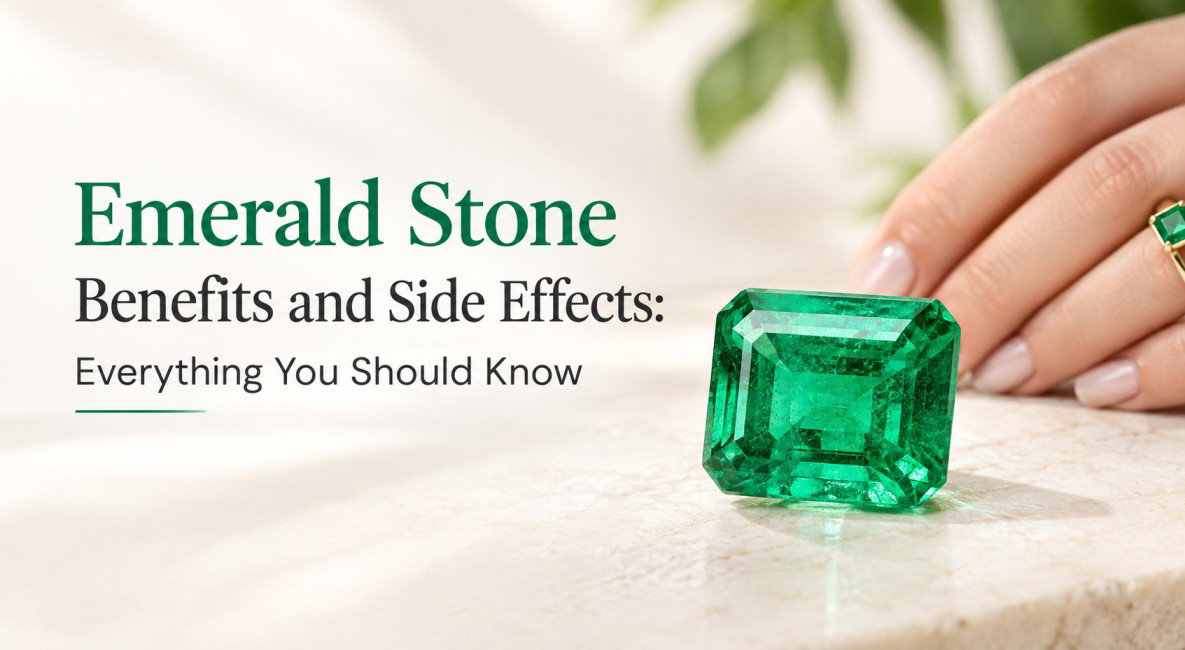
The emerald stone is one of the most admired gemstones in the world, known for its beautiful green color, rarity, and timeless appeal. In India, it is commonly called Panna, Pachu, or Panna gemstone and is traditionally associated with Mercury (Budh) in Vedic astrology. Besides its astrological significance, emerald stone is also popular in rings, pendants, earrings, and other fine jewelry.But before buying one, it is important to understand its traditional benefits, possible side effects, quality factors, and pricing. Whether you are looking for a natural emerald stone or simply curious about Panna, this guide will help you make a more informed decision.

What Is an Emerald Stone?

An emerald is a green variety of the beryl mineral. Its distinctive color comes primarily from trace elements such as chromium and vanadium. A high-quality green emerald is valued for its attractive color, transparency, clarity, cut, and overall appearance.In India, people often use terms such as Pachu stone, Panna gemstone, and emerald gemstone interchangeably. However, not every green stone sold under these names is a natural emerald. Buyers should therefore pay attention to authenticity, treatments, and certification.Natural emeralds commonly contain internal inclusions. These inclusions are often considered part of the gemstone's natural character, although their number and visibility can influence its value.

Emerald Stone Benefits: What Are the Traditional Beliefs?

Many benefits associated with wearing an emerald stone come from traditional Vedic astrology rather than scientific research. These beliefs should therefore be understood as cultural and astrological traditions, not proven medical effects.

1. Associated With Mercury

In Vedic astrology, Panna is traditionally associated with Mercury or Budh. Mercury is connected with communication, intellect, learning, reasoning, and business.Because of this association, some people choose an emerald gemstone based on their birth chart and astrological recommendations.

2. Traditionally Linked With Communication

Panna gemstone is traditionally believed to support qualities related to communication and expression. People interested in astrology may wear an emerald green stone because of its connection with Mercury.However, these claims have not been scientifically established and should not replace professional advice for health or other important decisions.

3. Popular for Business and Professional Use

Mercury is traditionally associated with commerce, calculation, communication, and analytical abilities. As a result, Pachu stone has historically attracted interest from business owners, traders, students, and professionals.Whether someone chooses to wear it for these reasons is ultimately a personal or astrological decision.

4. Attractive Choice for Jewelry

Beyond astrology, an emerald gemstone is valued simply for its beauty. Its rich green appearance can add an elegant and luxurious touch to rings, pendants, bracelets, and earrings.

Emerald Stone Side Effects: What Should You Know?

There are many claims about emerald stone side effects, particularly in astrology. Some traditional practitioners believe that an unsuitable gemstone may have negative effects if it does not align with a person's horoscope.However, these claims are based on astrological traditions and are not scientifically proven.From a practical perspective, the main concerns are related to gemstone care, treatments, and jewelry handling. Emeralds can contain natural inclusions and may undergo clarity enhancement. Rough handling, harsh chemicals, or inappropriate cleaning methods can potentially damage the stone or affect its appearance.If you are buying Panna specifically for astrological purposes, consulting a qualified astrologer may help you understand the traditional recommendations relevant to your birth chart.

How to Choose an Original Panna Stone

If you want an original panna stone, do not judge authenticity only by how green the gemstone looks. Several factors should be considered before purchasing.Color: A pleasing, vivid green color is generally desirable.Clarity: Emeralds naturally contain inclusions, so clarity should be assessed according to the stone's overall quality.Cut: A well-executed cut can improve the gemstone's appearance and brilliance.Carat weight: Larger stones can have significantly higher values when combined with good color and quality.Treatment: Ask whether the gemstone has received treatments such as clarity enhancement.Certification: A reputable laboratory report can provide useful information about the gemstone's identity and characteristics.Choosing a Certified emerald stone can give buyers additional documentation when comparing gemstones.

Emerald Stone Price: What Determines the Cost?

The emerald stone price can vary considerably. There is no universal price per carat because every gemstone differs in quality and characteristics.When researching panna stone price, buyers should consider:

  • Color and saturation
  • Clarity and inclusions
  • Carat weight
  • Origin
  • Cut and shape
  • Treatment status
  • Certification
  • Overall quality

If you are searching for Panna stone price in India, avoid comparing gemstones solely based on weight. Two stones with the same carat weight can have very different values.Similarly, the original panna stone price and overall emerald cost can increase significantly when the gemstone has desirable color, good transparency, natural origin, and reliable certification.

Natural Emerald Stone vs. Imitation

A natural emerald stone is formed naturally within the earth, while laboratory-created emeralds are produced under controlled conditions. Imitation stones may resemble emerald visually but are made from different materials.If you specifically want an original emerald stone, ask the seller whether the gemstone is natural, synthetic, treated, or an imitation. A suitable laboratory certificate can also help you understand what you are purchasing.

How to Care for Your Emerald Gemstone

Proper care can help preserve the beauty of your emerald gemstone for years.

  • Clean it gently using appropriate methods recommended for emeralds.
  • Avoid harsh chemicals and abrasive cleaners.
  • Store it separately from harder gemstones.
  • Remove emerald jewelry during activities where it may experience impact.
  • Avoid exposing treated emeralds to inappropriate heat or cleaning methods.
  • Have the jewelry setting inspected periodically.

If you are unsure about cleaning a valuable emerald, professional jewelry cleaning is a safer option.

Final Thoughts

An emerald stone offers a combination of natural beauty, cultural significance, and traditional astrological importance. Known as Panna or Pachu stone in India, it remains a popular choice for both gemstone jewelry and astrology enthusiasts.The benefits associated with emerald are largely based on traditional beliefs, while claims about astrological side effects are not scientifically established. Therefore, buyers should focus on authenticity, quality, treatment, certification, and proper care.Before purchasing, compare the panna price, emerald stone price, and quality of different gemstones rather than choosing solely on appearance or carat weight.For those looking for a natural emerald stone, original panna stone, or Certified emerald stone, Navratan – The Online Gem Bazar offers gemstone options with detailed product information to help buyers make a more informed purchase.


26Sep

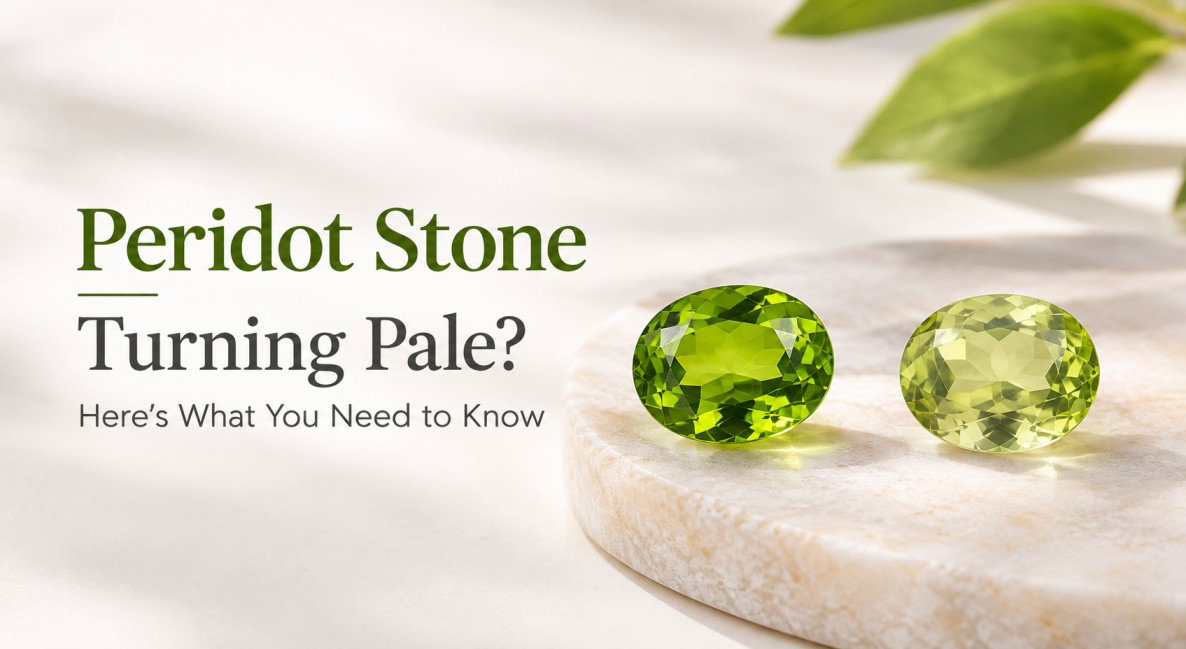
The refreshing green to yellowish green coloration and natural brightness of a Peridot Stone make it a special favorite. Its brilliant colour is often the first thing people notice when it is worn either in a ring, pendant, bracelet or is a loose gemstone. What happens if your peridot stone fades, dulls or loses brightness over time?It is essential to know the reason for its whiteness before jumping to the conclusion that your gemstone is no longer colorful. The light, dirt, surface residue, longevity of exposure to hard conditions and even how the gemstone is perceived can change the way it looks.Below are some of the most frequent causes why your Peridot Stone may appear "pale" and how to fix them.

1. The appearance of different types of lighting can change

Lighting is one of the easiest ways for peridot to have a different appearance.Peridot can have more intense colour under some natural or bright lights and warmer house lighting can enhance the green colour to be more yellow in hue. The gemstone's appearance in sunlight, LED lighting, and dim light therefore can give diverse impressions.When evaluating whether the peridot has changed color for good, be sure to test it under natural neutral light.

2. Peridot is dull when it gets dirty or dirty with oil

Often used jewellery is exposed to skin oils, dust, cosmetics, lotions and other products. These can easily settle on the surface of the gem and affect the light that can enter and exit the gem.The gemstone may not be brilliant and vibrant, but rather, dull or grayish. Luckily, this can be solved in many cases. Use lukewarm water, mild soap and a soft cloth to clean your jewelry gently. Thoroughly rinse and carefully dry it.Avoid harsh chemicals or abrasive materials that could damage the gemstone or its setting.

3. The colour of the peridot can be affected by the cut


Colour is not the only criteria that govern a gemstone's appearance. Cut and proportions also have an impact on light passing through the stone.If a peridot has been cut properly, its body color can come across to the viewer more vividly due to its ability to reflect light. In contrast, a poorly proportioned or too shallow of a cut can make the gemstone look less saturated. This often results in two naturally identical original peridot stone being very different when side by side.

4. Peridot naturally comes in different colors of different intensities!

Peridot comes in a variety of green colors. It may be a yellowish-green colour to a more intense olive or green colour.If you've recently bought a new gemstone and think it is different from your older stone, it may be because of natural color properties. Differences in appearance can be affected by any of the following: origin, size, clarity, cut, and natural composition.So, it's not always bad if the peridot is lighter than it should be – it's not necessarily fake.

5. Surface damage can cause a loss of brilliance.

Peridot comes with a medium level of hardness in comparison to other popular gemstones. As a consequence, it may scratch or wear down the surface when handled roughly.Even small scratches can cause light to be scattered instead of reflecting cleanly, causing the gemstone to appear less brilliant. To prevent damage to your peridot jewelry, avoid wearing it while engaging in activities that may involve hard surfaces.

6. Exposure to Harsh Chemicals Should Be Avoided


Chemicals such as perfume, hair spray, cosmetics, household cleaners, and other chemicals may have an impact on the color of gemstone jewellery and/or its setting.It is a good rule of thumb to apply cosmetics and perfumes first, followed by peridot jewelry. Take it out before you clean, swim, exercise or engage in activities where it may come in contact with chemicals or excessive rubbing and movement.With proper care, the gemstone can be kept looking its natural colors for years.

7. You may think your peridot has faded, but it might not be.

An important thing to keep in mind is that the apparent change in colour does not necessarily indicate that the gemstone itself has permanently lost its colour.The appearance of a gemstone can be affected by the lighting, residue, scratches, other metal, background color, and even how you look at it.If there is a noticeable and abnormal change, even after careful cleaning, it is advisable to examine the gemstone by a qualified gemologist.To ensure your Peridot stone stays vibrant, follow these tips:Here are some ways to maintain the vibrancy of your Peridot stone:Preparing and maintaining the fish noticeably changes. Adopt these precautions:

  • Gently wash the peridot with mild soapy water.
  • Use a soft non-abrasive cloth.
  • Keep it away from more durable gemstones.
  • Avoid using hard cleaners and chemicals.

Take off peridot jewelry before strenuous physical activity or doing household chores.Do not use perfume or cosmetics on the gemstoneIf the stone is set in jewellery, have the setting checked from time to time.

How to Know if a Peridot is Pale?

Always first determine the reason for the difference in your existing peridot before buying another gemstone. If it does not get better after cleaning, a professional examination may be required to establish if it is due to surface damage, natural characteristics, cut, or other factors.When buying a natural Peridot Stone, consider its color to be just a minor factor. Assess its transparency, cut, clarity, overall appearance, treatment information and certification (if any).Buyers can browse gemstone choices while focusing on crucial aspects like gemstone quality and authenticity at Navratan – The Online Gem Bazar. Purchasing a gemstone from a reliable source can assist in making an educated buy.

Final Thoughts

A Natural Peridot Stone paler than normal doesn't necessarily indicate that it was de-naturally dyed. The appearance of the gemstone can be affected by the lighting conditions, surface dirt, scratches, cut quality and natural color variations.Following instructions for cleaning, handling and storage can help preserve your peridot's beauty and brilliance. When purchasing a new gemstone, knowing about the 4 C's of gemstones (color, clarity, cut, and certification) can make the selection process a lot easier.If you're buying peridot for jewelry or are interested in buying a loose stone, be sure to know what you're getting. With a bit of knowledge and careful maintenance, you can achieve a great deal with your Peridot Stone.


25Sep

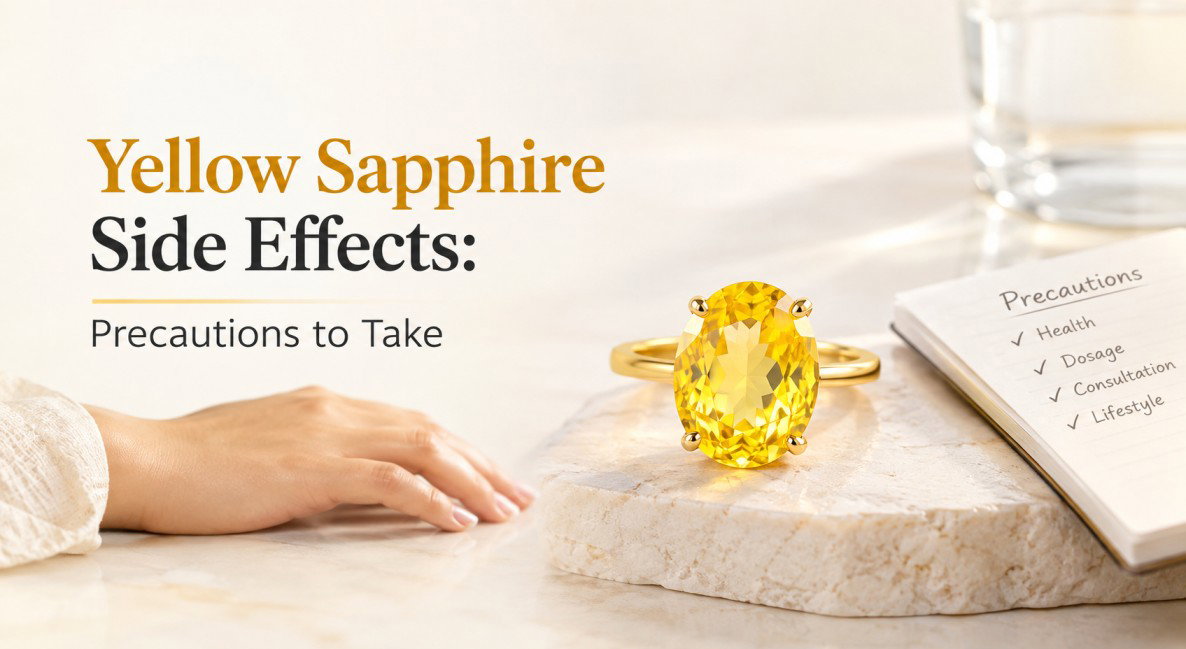
Pukhraj or Yellow Sapphire is one of the most auspicious gems in Navaratna, and it is regarded as one of the most benevolent gemstones in Vedic astrology. The planet Guru (Brihaspati or Jupiter) rules it, it stands for higher wisdom, financial growth, marital harmony, and spiritual growth. In many people's opinion, Jupiter is a great benefic planet, so it is not harmful for anybody to wear it on the finger.But within the realm of Vedic gemology, each natural gemstone carries a powerful planetary frequency. Cumulative: If a gemstone is in opposition to your natal chart or structurally flawed then that cosmic energy disrupts rather than blesses. So if you've recently worn a Yellow sapphire, and you're feeling something is wrong, here are the top warning signs, the reasons why they occur and ways to safeguard yourself.

Here are 5 indications that you may not be a good fit for a yellow sapphire

Classical astrology recommends paying special attention to the physical, mental and environmental conditions during the initial period of 40 days (mandal-kaal) when wearing a Pukhraj. The most common red flags are:

1.Digestive Distress and Sluggish Metabolism.

Jupiter is the ruling planet of the liver, gall bladder, body fat (adipose tissue) and digestive fire (jatharagni) in Ayurveda and Jyotish. You may experience if Yellow Sapphire over-stimulates or does not agree with your constitutional energy:Acid reflux that happens suddenly, or a bloating sensation that persists or a very bad indigestion.Lethargy or unexplained gain in weight or fluid retention, especially if you're Kapha-predominant.A persistent bloated feeling following regular feedings.

2.To increase Ego, Arrogance and marital friction.

Jupiter governs wisdom and humility, however, if there is a clash with Pukhraj then there is a lot of self-righteousness. Wearers might feel very argumentative, stubborn or insensitive to other people's advice. If your Pukhraj is not well received, it can lead to minor disputes, emotional separation or unexpected changes in your household situation for married people, particularly women, where Jupiter is the karaka of the husband.

3. Unwarranted use of funds and unexpected expenses

Pukhraj stone is used to promote wealth, but a mismatched stone causes poor judgment. You may fall into the trap of being overly optimistic and incur too much debt, make speculative investments or see savings disappear as a result of unanticipated items like home maintenance or medical costs.

4. Mental Restlessness, Insomnia or Headaches

A stone is too heavy for the auric field and creates a constant anxiety in bzzzzz. You may have trouble falling asleep, get restless or have pressure and throbbing headaches in certain areas of the forehead. If the thoughts are hyperactive and the mind is not as relaxed as it should be, the stone is functioning against natural frequency.

5. Skin Irritation and Localized Boils.

Very rarely, a direct response like an itchy rash, hives or maybe tiny boils around the finger the ring is positioned on is a classic symptom of energy rejection (or perhaps an adverse reaction to artificial coatings and also poisonous chemical treatments applied to low grade stones).

What is causing these negative reactions?

If a Pukhraj doesn't go the way you hope, it's likely due to one of these three reasons:A Pukhraj is rarely accepted by an astrologer whose Ascendant is lord of a house of Jupiter's enemies like Taurus, Libra, Gemini etc. unless Jupiter is placed in the Ascendant's house with a very auspicious sign. Transiting Jupiter is in the 6th, 8th, or 12th house, and placing a gemstone in this house increases the stress, debts, and disputes.Cracked, milky or feather heavy Sapphires are not to be used, according to classical literature. A broken or very flawed stone produces disorganized and uncoordinated energy that can disrupt your aura.

Commercial stones: Yellow corundum is an extremely common stone commercially (synthetic, Glass-Filled, or Chemically Treated). They are stones which have been artificially altered and contain dead or toxic vibrations that affect the subtle body of the wearer.

How to Safely Choose and Wear a Yellow Sapphire

Never make a purchase without checking your horoscope and also the physical purity of the gemstone:Always approach a Kundali analysis with an experienced astrologer for an In-Depth Kundali Analysis to evaluate the functional nature, house ownership and current Mahadasha of Jupiter and choose a stone accordingly.100% Natural, Unheated Gemstones: Vedic astrology requires a 100% natural unheated sapphire that has not undergone any man made process other than the natural formation in earth, lapidary cutting and polishing.Use a Trusted Authority: Navratan - The Online Gem Bazar collaborates with clarifying, heritage suppliers to make sure that you obtain authentic gems that have been lab tested. Navratan guarantees a complete elimination of synthetic imitations and harmful enhancements with their Yellow Sapphires, which come complete with international gemological laboratory certificates (GIA, IGI, GRS, etc.) and are all natural, unheated and untreated.

Conclusion

Cover the energized yellow sapphire gemstone with yellow silk cloth or wrap around the upper right arm and leave it under the pillow or on the upper right arm for 3-7 nights in succession. If one sleeps well, has no sudden misfortune and good mood, then it can be set in an open-back gold or panchdhatu ring.In the event that you are seeing any of the warning signs listed above, remove the ring now. Wash in raw milk and pure water, place it in a safe place and let it be checked by a professional before placing it on.


24Sep

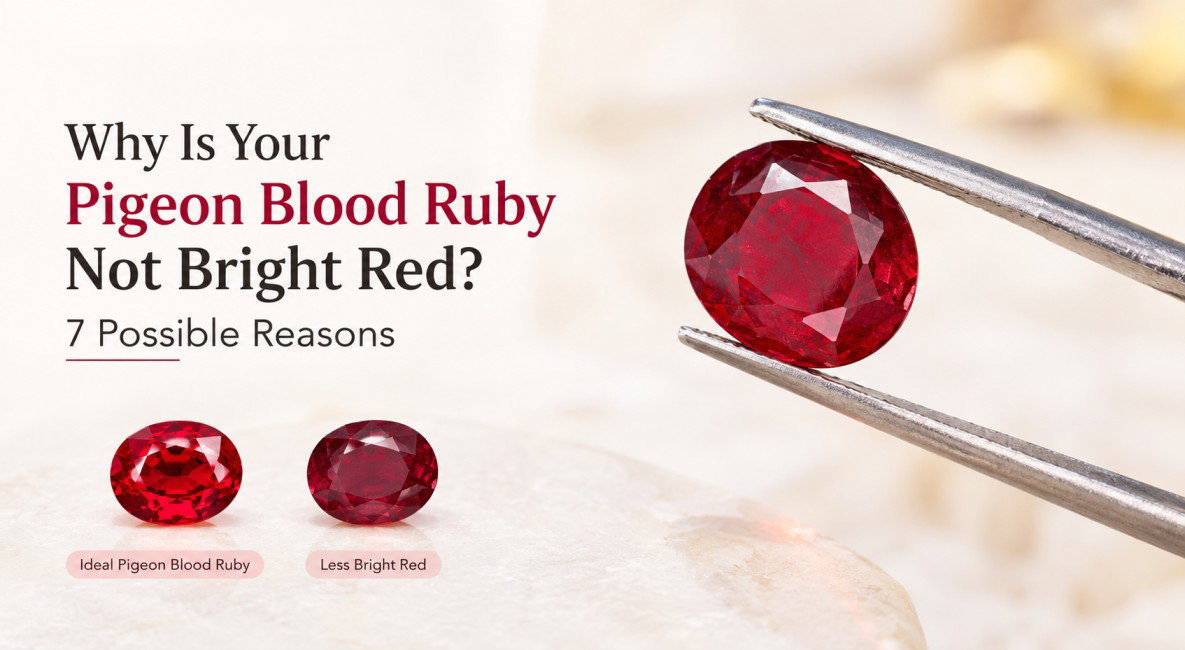
One of the most popular varieties of ruby is the Pigeon Blood Ruby, which is prized for its deep red hues. But, not all rubies called ‘Pigeon Blood' are the same intensity or color. If the ruby appears darker, a bit purplish, pinkish or less colorful than you were expecting, you might be wondering what you did wrong with this stone.The color, clarity, treatment, lighting, cut and origin are some of the factors which affect the appearance of a ruby. If you think that your gemstone might be fake or of poor quality, go through these seven reasons.

1. The Ruby May Have a Different Color Tone 

Pigeon Blood Ruby is the name that is given to rubies that have a very vibrant red hue; however, rubies can also have variations in tone and saturation.Due to the natural characteristics of the stone, it can be slightly darker or have subtle secondary hues. Two rubies can therefore be perceptibly different, and both may be natural rubies.Don't choose a ruby based solely on photos. Request specifics on its colour, treatment, origin and certification.

2. The light can change the appearance of the painting.


The most frequent cause of a dull looking ruby is lightingLight effects will alter the appearance of gemstones in sunlight, indoor lights, LED lights and warm artificial lights. A bright red ruby in a light that appears bright may look more dull in a different light.That is why it is best to evaluate gems under proper lighting, instead of just a single picture or a room light.

Don't assume that a change in the appearance of your Pigeon Blood Ruby is a sign of a problem with the gemstone if it changes in different environments.

3. The Cut May Affect Its Brightness

The cut and proportions of a ruby affect the way light enters and exits the stone.Light can dribble through the bottom or sides if the cutting is not well balanced. Thereby, even the most natural looking ruby stones may look duller and less lively.Don't choose a ruby based on its color alone. A properly cut gemstone may possess improved visual luster and appeal.

4. The Stone may have strong inclusions

The natural rubies often have internal properties called inclusions. Although these can be useful in determining if a gemstone is natural or not, if too many or too many are placed at strategic points, they can alter transparency and the flow of light through a gemstone.A stone may also look less bright if it has significant inclusions.But clarity is not a thing for itself to be measured by. The price of Ruby is determined by its color, transparency, size, origin, treatment, and quality.

5. Heat Treatment may affect the appearance.

In fact, a large number of rubies on the market are treated by heat to increase their color and clarity.However, doesn't mean a ruby is fake. Buyers, however, should be aware of whether a stone has been treated or not, as treatment can alter its qualities, market value and appropriateness for the intended buyer.When you are interested in purchasing a ruby that has not been treated or very lightly treated, be sure to ask for the proper laboratory report documentation, and not only a description from the seller.

6. Your Ruby May Not Meet the Expected Color Grade

Expectations can be very high when you hear the term "Pigeon Blood. But, the definition of ruby colour may differ from one laboratory to the next, and may also differ from one grading method to the next and from one market to the next.The actual colour of a ruby could be different from what the buyer was expecting and the colour might be described as one thing but the ruby could be another.This is why it's helpful to have an independent gemstone report. A good lab report will offer details if the stone is a natural stone, has been treated and if it has been treated, it will tell you what treatments the stone has received and other characteristics.

7. Photographs Can Be Misleading

The difference between the picture of the ruby stone and the actual gem may be due to picture manipulation and photography.A gemstone may look red in the display due to a number of factors, including camera settings, lighting, white balance, backgrounds, and editing.Do not purchase a ruby based solely on a photo on the internet; ask for more photos, more lighting and information about the ruby's certification.

The right way to select a Pigeon Blood Ruby With Confidence

Look for more than a bright red Pigeon Blood Ruby in the photo. Look at its natural or synthetic status, treatment, color, clarity, cut, carat weight, origin information and certification.Buyers can browse the gemstone selection and pay attention to the important point of gemstone quality and certification at Navratan – The Online Gem Bazar. You can find more information about the product that you are buying if you choose to have a clear buying process instead of simply being informed by the colour name.

Final Thoughts

Not a bright red Pigeon Blood Ruby stone is not necessarily fake or broken. It can be affected by lighting, colour tone, cutting, inclusions, treatment, grading terminology and photography.The important thing is to consider the entire gemstone, not just its color. When investing in a valuable ruby, a proper certification and detailed information about the gemstone can help you make an educated decision.Opt for knowledge over colour, and always check the gemstone before making a purchase.


23Sep

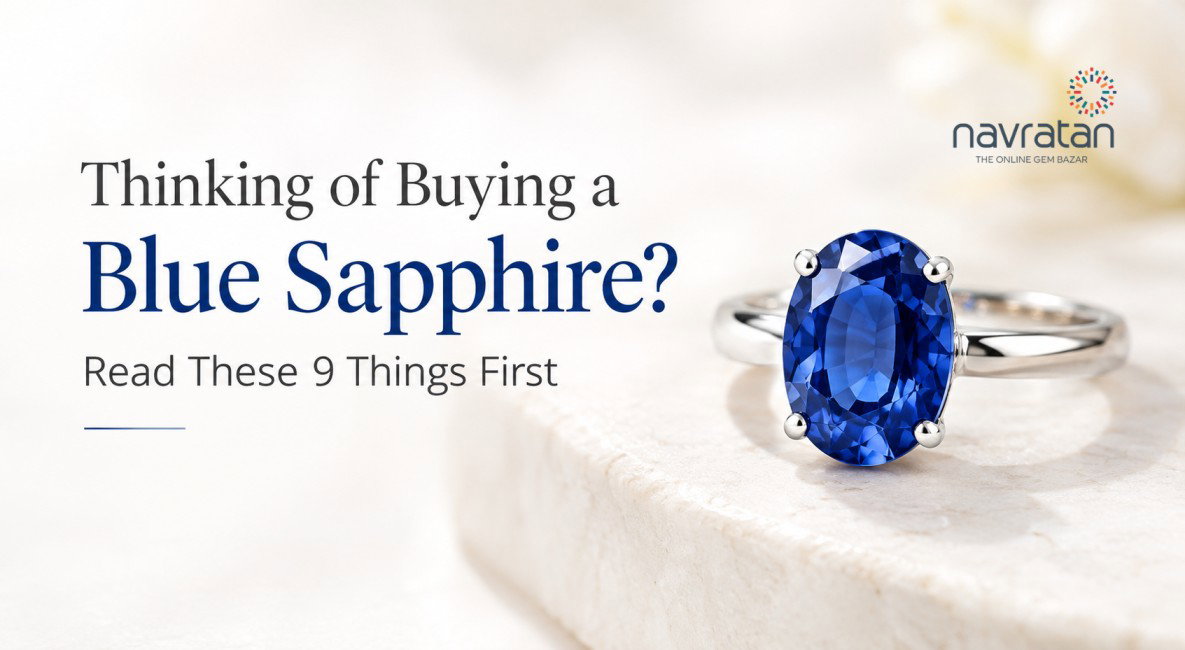
A Blue Sapphire is one of the most sought-after gemstones in the world, admired for its rich blue color, exceptional durability, and timeless appeal. Known as Neelam Stone in India, it is also associated with astrology and is often chosen for both jewelry and personal significance.However, buying a blue sapphire requires more than simply choosing a beautiful-looking stone. Its origin, color, clarity, treatment, certification, and overall quality can significantly influence its value. If you are planning to buy one, here are 9 important things you should know before making your purchase.

1. Choose a Natural Blue Sapphire

The first thing to check is whether the gemstone is natural or synthetic. Natural blue sapphires are formed naturally inside the Earth over thousands or millions of years, while synthetic sapphires are laboratory-created.A natural stone can have distinctive inclusions and characteristics that help establish its identity. Always ask for proper documentation before purchasing a high-value gemstone.

2. Pay Attention to Color

Color is one of the most important factors when evaluating a blue sapphire. A desirable stone generally has an attractive, well-distributed blue color with good saturation.Blue sapphires can range from light blue to deep blue. The ideal shade ultimately depends on personal preference, quality, origin, and market demand. A stone should also have good visual appeal rather than appearing excessively dark or dull.

3. Understand Sapphire Origin

The origin of a blue sapphire can influence its desirability and value. Sri Lanka (Ceylon) is particularly well known for producing blue sapphires, while notable stones are also found in countries such as Madagascar, Myanmar, Tanzania, and other regions.However, origin alone does not automatically determine whether one sapphire is better than another. The individual gemstone's color, clarity, treatment, size, and quality should also be considered.

4. Check Whether It Has Been Heat Treated

Heat treatment is a common practice in the gemstone industry and can be used to improve the color and clarity of sapphires.There is an important difference between a heated sapphire and an unheated sapphire, and this distinction should be clearly disclosed to buyers. If you are specifically looking for an unheated natural blue sapphire, ask for laboratory documentation supporting the claim.

5. Always Ask for a Gemstone Certificate

A professional gemstone certification report can provide valuable information about a sapphire, including whether it is natural or synthetic and whether treatments have been detected.For a significant purchase, choose a report from a reputable gemological laboratory. Do not rely solely on a seller's verbal claim about a stone's authenticity or quality.

6. Consider Clarity Carefully

Unlike diamonds, sapphires are not generally expected to be completely free of inclusions. Natural sapphires commonly contain internal characteristics known as inclusions.What matters is whether the inclusions affect the gemstone's transparency, beauty, or durability. A visually attractive sapphire with acceptable natural characteristics can still be highly desirable.

7. Compare Price With Quality

The blue sapphire price in india can vary dramatically depending on factors such as carat weight, color, clarity, origin, treatment, certification, and overall quality.Avoid choosing a stone simply because it has the lowest price. An unusually low price for a supposedly rare, high-quality natural sapphire should encourage you to ask more questions about its authenticity, treatment, and certification.

8. Don't Ignore Cut and Shape

The cut of a sapphire affects how it reflects and interacts with light. A well-cut gemstone can look more lively and attractive, while an uneven or poorly executed cut may reduce its visual appeal.Blue sapphires are available in various shapes, including oval, cushion, round, pear, and emerald cuts. Choose a shape that complements your jewelry design and personal style.

9. Buy From a Transparent Seller

Finally, consider where you are buying your blue sapphire. A trustworthy seller should provide clear information about the gemstone's origin, treatment, certification, weight, dimensions, and return or exchange policies.At Navratan – The Online Gem Bazar, buyers can explore gemstone options while focusing on important details such as authenticity, certification, quality, and gemstone specifications. Taking time to understand these details can make the buying process more informed and transparent.

Final Thoughts

Buying a Blue Sapphire should not be based on color or appearance alone. Natural origin, quality, treatment, certification, cut, and seller transparency all play an important role in making an informed purchase.Whether you are looking for a blue sapphire for jewelry or exploring its traditional astrological significance, research should always come before investment. Compare gemstones carefully, ask for proper certification, and understand exactly what you are purchasing.A beautiful blue sapphire is more than just a blue gemstone—it can be a meaningful addition to a jewelry collection when chosen with the right information and care.


22Sep

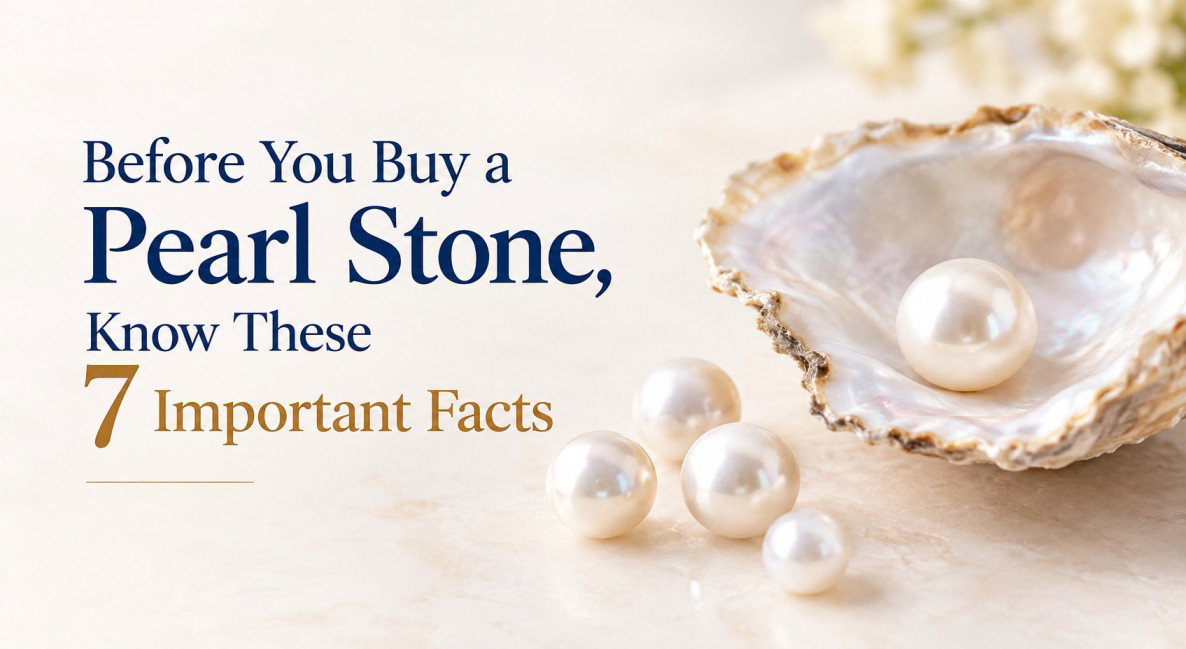
Pearls have been admired for centuries for their natural beauty, soft luster, and timeless elegance. Unlike many gemstones that are mined from the earth, pearls are formed inside living mollusks, making each one naturally distinctive. Today, Pearl Stone remains a popular choice for jewelry lovers and those interested in gemstone traditions.However, choosing the right pearl is not simply about finding one that looks beautiful. Factors such as origin, type, surface quality, luster, size, shape, and certification can influence its appearance and value. If you are planning to buy a Pearl Stone, here are seven important facts you should know.

1. Know the Difference Between Natural and Cultured Pearls

One of the first things to understand is the difference between natural pearls and cultured pearls.Natural pearls develop without deliberate human intervention when an irritant enters a mollusk. Cultured pearls are also formed inside mollusks, but their development begins through human-assisted cultivation.Both can be genuine pearls, but their formation process, availability, and market value can differ considerably. Therefore, always ask the seller whether the pearl is natural or cultured before making a purchase.

2. Pearl Luster Matters More Than You Think

The beautiful glow of a pearl is known as luster. It is one of the most important characteristics used to judge a pearl's visual appeal.A high-quality pearl generally has a sharp, bright reflection, while a pearl with weaker luster may appear dull or chalky. When examining a Pearl Stone, look at how clearly you can see reflections on its surface.Good luster can make even a simple pearl look elegant and sophisticated, which is why it is an important factor to consider when comparing different pearls.

3. Surface Quality Can Affect Its Appearance

Pearls are natural organic gemstones, so small surface characteristics are common. You may notice tiny spots, marks, wrinkles, or slight irregularities.This does not automatically mean the pearl is fake or poor quality. However, fewer and less noticeable surface imperfections generally contribute to a cleaner appearance.Before purchasing, inspect the pearl carefully under good lighting. If buying online, look for clear, high-resolution photographs and detailed product information.

4. Size and Shape Influence the Pearl's Appeal

Pearls come in a variety of sizes and shapes. While perfectly round pearls are traditionally highly sought after, other shapes can also be attractive and suitable for different jewelry styles.Round pearls are commonly used in classic necklaces and earrings, while oval, button, baroque, and other shapes can create distinctive contemporary designs.Remember that a larger pearl is not automatically better. Quality depends on several characteristics, including luster, surface condition, shape, nacre quality, and overall appearance.

5. Pearl Color Is More Than Just White

When people think of pearls, they often imagine classic white pearls. However, pearls can naturally occur in different colors and tones depending on their type and origin.White, cream, pink, golden, silver, gray, and darker tones are among the colors associated with different pearl varieties. Some pearls may also have attractive overtones that create subtle shades across their surface.When choosing a Natural Pearl Stone, consider both your personal style and the jewelry in which you plan to use it. A classic white pearl can offer timeless elegance, while unusual colors can create a more distinctive look.

6. Certification Can Add Confidence to Your Purchase

When purchasing a valuable Pearl Stone, documentation and certification can provide useful information about the gemstone.A reputable gemstone report may identify characteristics such as the pearl's type and other relevant details, depending on the laboratory and the product being tested.At Navratan, buyers can explore gemstone options while paying attention to product information, authenticity, and certification where applicable. When making a significant purchase, always ask for appropriate documentation and understand exactly what it verifies.

7. Buy From a Trusted Gemstone Seller

Perhaps the most important factor is choosing a reliable seller. The market includes pearls with different origins, qualities, treatments, and price points, so comparing products only on appearance can be misleading.Before purchasing, check the seller's reputation, product descriptions, return policy, available certification, and customer support. Ask questions about the pearl's type, origin, treatment, size, and quality characteristics.A trusted seller should be transparent about what you are purchasing rather than making vague claims about quality or value.

How to Choose the Right Pearl Stone

Your ideal Pearl Stone ultimately depends on your purpose. If you want a pearl for everyday jewelry, focus on durability, appearance, and overall value. For a special occasion, you may prefer a pearl with exceptional luster and a classic shape.If your interest is connected to traditional astrology, it is also important to understand that astrological recommendations are based on traditional beliefs rather than scientific evidence. You can consider them as part of your personal or cultural preferences while separately evaluating the gemstone's physical characteristics.

Final Thoughts

Buying an original Pearl Stone should be an informed decision rather than an impulse purchase. Understanding the difference between natural and cultured pearls, checking luster and surface quality, considering size and shape, and verifying available documentation can help you make a more confident choice.Whether you are searching for a classic pearl necklace, an elegant ring, or a gemstone associated with traditional beliefs, take time to compare your options. With proper knowledge and a trustworthy seller such as Navratan, you can appreciate the beauty of pearls while making a thoughtful gemstone purchase.


21Sep

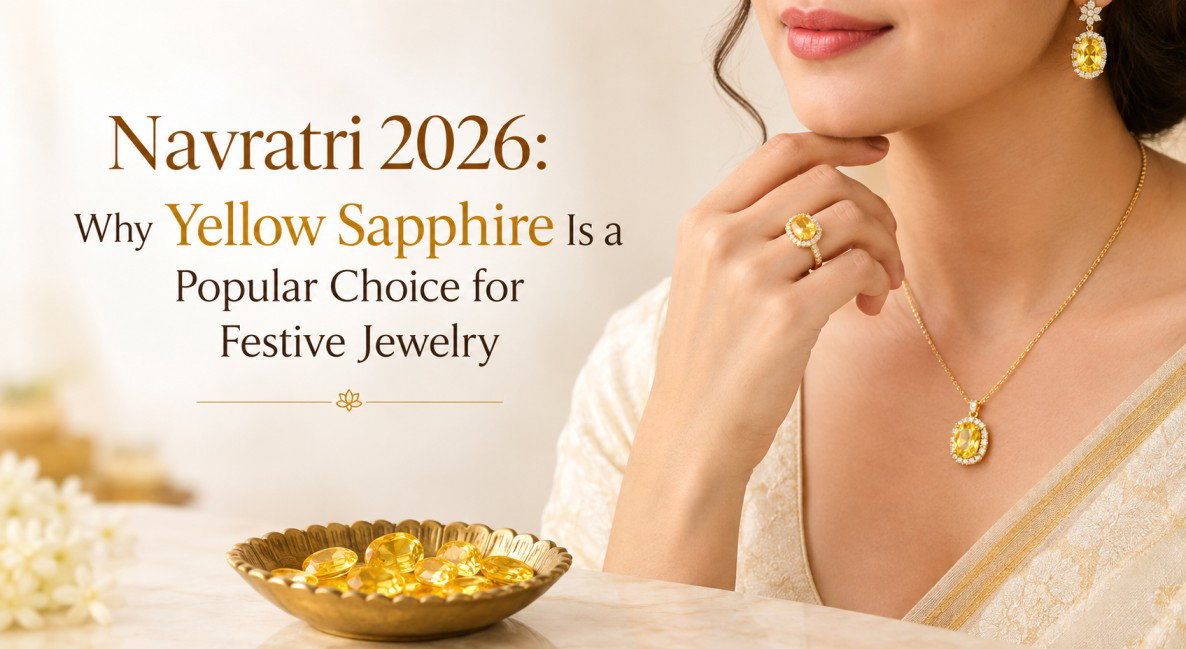
Navratri is one of the most vibrant and spiritually significant festivals celebrated across India. With nine days of devotion, traditional rituals, colorful outfits, and festive gatherings, it is also a time when people love to express their style through beautiful jewelry. Among the many gemstones associated with traditional Indian jewelry, Yellow Sapphire continues to attract attention for its warm golden color, elegant appearance, and long-standing cultural significance.As Navratri 2026 approaches, Yellow Sapphire jewelry can be an appealing choice for those looking to combine traditional elegance with a sophisticated modern look.

The Timeless Appeal of Yellow Sapphire

Yellow Sapphire, also known as Pukhraj, belongs to the corundum family of gemstones. Its shades can range from soft lemon yellow to rich golden tones, making it versatile enough for different jewelry styles.The gemstone's bright and warm appearance naturally complements festive clothing. Whether paired with a traditional saree, lehenga, anarkali, or contemporary ethnic wear, a well-cut Yellow Sapphire can add a subtle yet luxurious touch to the overall look.Its classic appearance also allows it to transition beyond the festive season, making it suitable for rings, pendants, earrings, and other fine jewelry designs.

Why Yellow Sapphire Is Popular During Navratri

Navratri has a strong connection with Indian traditions, spirituality, and symbolism. Gemstones have historically been an important part of Indian jewelry and cultural practices, and Pukhraj stone has a particularly prominent place in traditional gemstone beliefs.Its golden-yellow color is often associated with qualities such as prosperity, wisdom, positivity, and abundance. In Vedic astrology, Yellow Sapphire is traditionally associated with Jupiter, or Guru. However, astrological beliefs vary, and anyone considering a gemstone for astrological purposes may prefer to consult a qualified astrologer.Beyond traditional beliefs, the gemstone's visual appeal is one of the main reasons it remains popular for festive jewelry.

Yellow Sapphire Jewelry Ideas for Navratri 2026

One of the best things about Yellow Sapphire is its versatility. During Navratri, it can be styled in several ways depending on the occasion and outfit.Yellow Sapphire Rings:
A classic Yellow Sapphire ring can serve as a statement accessory while maintaining an elegant appearance. It can be paired with both traditional and Indo-western outfits.Yellow Sapphire Pendants:
For a subtle festive look, a pendant featuring a natural Yellow Sapphire can be an excellent choice. Pairing it with a delicate gold chain creates a timeless combination.Yellow Sapphire Earrings:
For Navratri celebrations, gemstone earrings can complement colorful ethnic outfits beautifully. Studs and drop earrings offer different styling options depending on the occasion.Yellow Sapphire and Gold:
The warm tones of Yellow Sapphire pair naturally with yellow gold, creating a traditional combination that works especially well with festive Indian attire.

How to Choose a Quality Yellow Sapphire

If you are planning to purchase a Yellow Sapphire during Navratri 2026, appearance should not be the only consideration. Several factors can influence a gemstone's beauty and value, including color, clarity, cut, carat weight, origin, and treatment status.A good-quality stone should have an attractive color and pleasing transparency. The cut should allow light to interact effectively with the gemstone, enhancing its brilliance.It is also important to understand whether the gemstone is natural or treated. Treatments can affect the gemstone's characteristics and should be disclosed clearly before purchase.Most importantly, buyers should look for proper gemstone certification from a reputable gemological laboratory. A certificate can provide important information about the stone and help buyers make a more informed decision.

Celebrate Navratri with Timeless Elegance

Navratri is more than a festival of colors and celebrations—it is an opportunity to embrace traditions while creating memorable moments with family and loved ones. A gemstone such as Natural Yellow Sapphire can beautifully complement this festive spirit through its warm color and classic elegance.For those exploring natural gemstones, Navratan offers a selection of gemstones designed for customers who value authenticity, quality, and timeless beauty. Whether you are searching for a Yellow Sapphire ring, pendant, or loose gemstone, taking the time to understand its quality and certification can make the buying experience more meaningful.As Navratri 2026 brings another season of celebration, Yellow Sapphire remains an elegant option for those who want their festive jewelry to reflect both traditional charm and contemporary style. Choose thoughtfully, understand the gemstone's characteristics, and let its golden glow become part of your festive celebrations.


18Sep

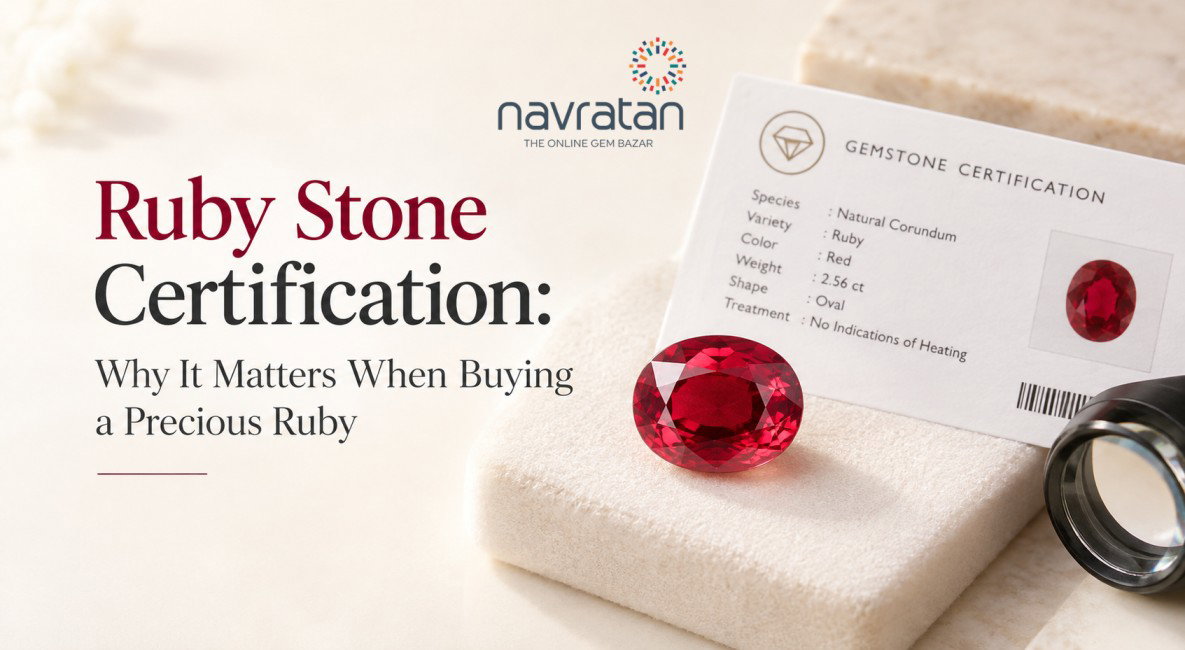
A ruby is more than just a beautiful red gemstone. Known for its vibrant color, rarity, and long-standing association with luxury, ruby has remained one of the most admired precious gemstones in the world. However, when buying a ruby, appearance alone should not be the only consideration. Understanding its quality, origin, treatments, and authenticity is equally important.This is where ruby stone certification becomes valuable. A proper gemstone certificate provides important information about the stone and helps buyers make a more informed purchasing decision. At Navratan, we believe that transparency and knowledge are essential when selecting a precious gemstone.

What Is Ruby Stone Certification?

Ruby certification is a professional gemstone identification report issued by a recognized gemological laboratory. The report evaluates specific characteristics of a ruby and documents the findings.Depending on the laboratory and type of report, a ruby certificate may mention details such as:

  • Gemstone identification
  • Weight and measurements
  • Color and transparency
  • Natural or synthetic status
  • Evidence of treatments
  • Geographic origin, when determinable
  • Other identifying characteristics

It is important to understand that a certificate is not simply a guarantee of a ruby's price or beauty. Instead, it provides an independent assessment of characteristics that can be difficult for an ordinary buyer to determine by looking at the gemstone.

Why Is Certification Important When Buying a Ruby?

1. Helps Confirm Authenticity

One of the biggest concerns when purchasing a valuable ruby is knowing whether the gemstone is natural, synthetic, or a different material altogether.Natural rubies are formed through geological processes over millions of years. Synthetic rubies, on the other hand, are laboratory-created and can look remarkably similar to natural stones.A gemological report can help identify whether the ruby is natural or laboratory-grown, giving buyers greater clarity before making a purchase.

2. Provides Information About Treatments

Many rubies available in the gemstone market undergo treatments to improve their appearance. Heat treatment, for example, is commonly encountered in rubies.Treatment itself does not automatically mean that a manik stone is undesirable. However, the treatment can influence how the gemstone should be evaluated and priced.A certification report can disclose whether evidence of treatment has been detected. This information allows buyers to compare gemstones more accurately and understand what they are purchasing.

3. Helps Understand Ruby Quality

Ruby quality is influenced by several factors, including color, clarity, transparency, cut, carat weight, and origin in cases where origin can be reliably determined.Among these, color is particularly important. Fine rubies often display an intense and attractive red hue, while clarity and transparency can also contribute to their visual appeal.A certificate provides documented information about the gemstone's characteristics, helping buyers understand the stone beyond what they can see with the naked eye.

4. Adds Transparency to the Purchase

Buying a precious gemstone can be a significant investment. Without adequate information, it may be difficult for buyers to compare two rubies that look similar but differ considerably in their characteristics.A laboratory report creates a documented reference for the gemstone. This makes the purchasing process more transparent and gives customers useful information to discuss with a gemstone professional.At Navratan, we encourage customers to focus on understanding the gemstone rather than making a decision based solely on its appearance.

Does Every Ruby Need a Certificate?

Certification can be particularly important when purchasing a high-value natural ruby. For a valuable gemstone, having an independent laboratory report can provide useful documentation of its identity and characteristics.However, buyers should also consider who issued the certificate. Not every gemstone report carries the same level of credibility. It is advisable to understand the reputation, expertise, and testing standards of the laboratory that issued the report.For expensive rubies, buyers may also want to ask whether the report includes information about treatments and, where applicable, geographic origin.

What Should You Check on a Ruby Certificate?

Before purchasing a certified ruby, carefully review the report. Look for:Gemstone identity: Confirm that the report identifies the stone as ruby.Natural or synthetic status: Check whether the ruby is identified as natural or laboratory-grown.Treatment disclosure: Look for information regarding detectable treatments.Carat weight and measurements: Compare the information on the certificate with the actual gemstone.Report number: A unique report number can help identify the specific gemstone and its corresponding report.Laboratory details: Consider the credibility and reputation of the issuing gemological laboratory.These details can help you understand what you are buying and make comparisons between different gemstones more meaningful.

Certification and Ruby Price

A certificate does not determine the exact market price of a ruby. Price depends on multiple factors, including quality, rarity, color, clarity, size, treatment, origin when reliably established, and market demand.Two rubies with the same carat weight can have very different values because their quality and characteristics may differ substantially.This is why it is better to look at certification as a source of information, rather than treating it as a price certificate.

Buy Ruby With Knowledge and Confidence

A beautiful ruby gemstone can immediately catch your attention, but buying a precious gemstone should involve more than visual appeal. Understanding its identity, treatment status, quality characteristics, and supporting documentation can make the experience more transparent.Whether you are purchasing a ruby for jewelry, collecting, or personal significance, certification can provide valuable information about the gemstone you are considering.At Navratan – The Online Gem Bazar, we believe an informed customer is better positioned to choose a gemstone that suits their requirements. Before purchasing a precious ruby, take the time to examine its certification, ask relevant questions, and understand the characteristics that influence its value.A certified ruby is not simply about having a document—it is about having more information to make a thoughtful gemstone purchase.


17Sep

The Ruby Stone is a gem that has retained its timeless appeal and significance throughout the ages.Throughout the ages, the Ruby Stone has held a timeless place of significance and appeal.

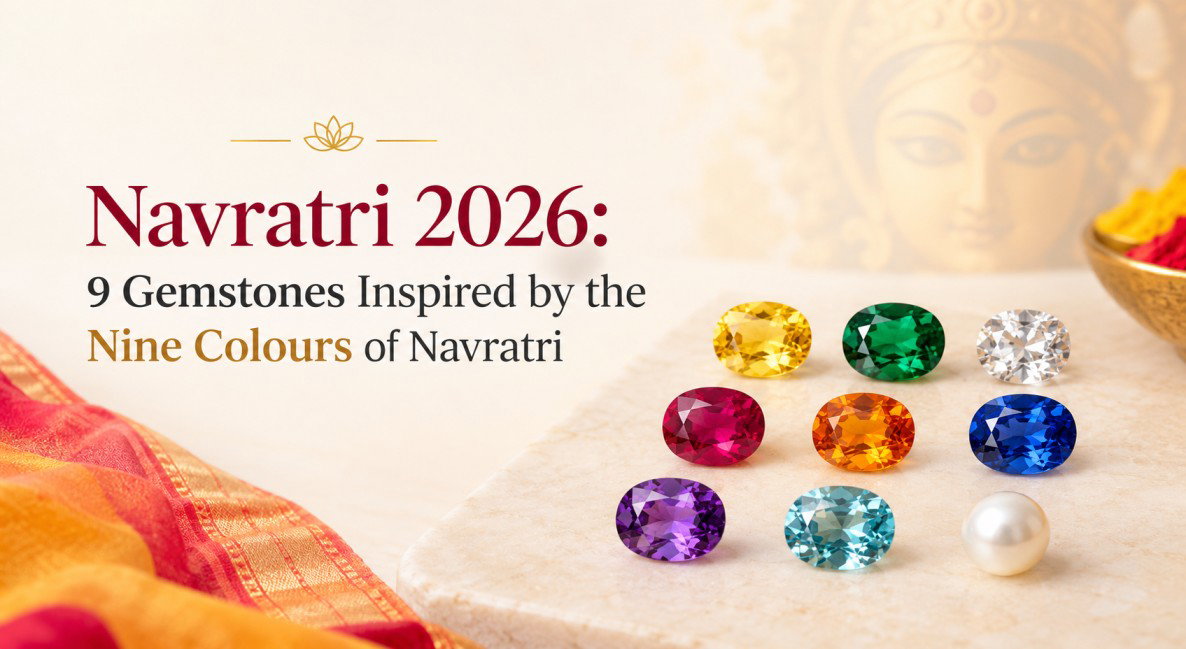
Navratri is one of the most colorful and meaningful festivals observed in India. This nine-day festival is linked with piety, bravery, positivity and triumph of good over evil. In addition to religious rituals, Navratri is also a period when people wear colorful ethnic wear, traditional jewelry and also significant gemstones.

Of all the gemstones that have an association with Indian culture and astrology, ruby stone has been given a special place for centuries. Rubies are noted for their rich red color and seductive brilliance, and are said to symbolize passion, confidence, vitality and leadership. With the advent of Navratri 2026, its ancient beauty is an exciting gemstone to contemplate at this time for both traditional and modern jewellery.

What is it about Ruby Stone that makes it special?


The ruby is a valuable gemstone of the corundum mineral family. It is a distinctive red color mainly due to the chromium content. Excellent quality rubies may exhibit strong red colour, transparency along with a nice natural glow.

In the past, ruby has been cherished by royalty and collectors all over the world. It's considered to be very energetic, courageous and powerful because of its strong color. The gemstone is still in use today for rings, pendants, earrings, bracelets and other fine jewelry designs.

A ruby's appeal is not just evident in its appearance. Its historical importance, scarcity, and association with traditional beliefs make it a valuable addition to a collection for many gemstone collectors.

Ruby Stone is linked to the Symbolism of Navratri.


The festival of Navratri is a celebration of the divine feminine and it is a festival that is dedicated to the worship of Goddess Durga and her various forms. Devotees practice rituals, prayers, fasting and celebrations each day, which have their own spiritual meaning.

Ruby's rich red color hues of red, orange and gold perfectly complement the festive feel of Navratri season. In Indian culture, red is a colour that is widely used to represent strength, passion, celebration and auspiciousness. Hence, ruby jewellery can add a classy touch to the traditional navratri dress and can be worn magnificently.

If you're someone who likes to know the significance of the gemstone you're wearing, then you might choose to wear a ruby or rubies during the holiday season, so you can add your own individual flair and meaning.

The Ruby stone has a complicated history.


Vedic astrology considers the ruby as the Sun or Surya. The sun is also associated with attributes including confidence, leadership, authority, individuality and vitality.

According to some Vedic astrologers, wearing a ruby can help you with Sun-related qualities. But the gemstone suggestions provided on the basis of astrology are generally regarded as personal, and are provided depending on birth charts and other factors.

So, if you're thinking of buying ruby for astrology, it's advisable to ask a qualified astrologer before you buy it. In addition, the gemstone should be assessed for its natural qualities and authenticity.

How to Choose a Ruby Stone


There is more to choose Ruby than just the brightest red stone. It can be effected by several factors which can make it beautiful and valuable such as color, clarity, cut, carat weight, origin and treatment.

A good, desirable ruby will have an attractive, lively red colour, good transparency and brilliance. Natural inclusions are common in rubies and may not be a sign of quality if the stone is not completely free of them.

Another significant item to consider is certification. A quality gemstone certificate may give you information on whether the gem is natural or synthetic, and whether or not it has been treated.

When buying a ruby, it's important to inquire for transparency regarding the property of the gemstone and its certification. Having these pieces of information out there in the open can help to build a more confident and informed buying process.

Ruby Jewelry for Navratri Celebrations


Jewelry is one of the most simple ways of wearing ruby into your navratri style. A traditional saree or lehenga can be enhanced with a ruby pendant and a pair of ruby earrings would make a statement look without looking too heavy.

Alternatively, diamonds or other gemstones can be set with ruby for a more modern look. Modern ethnic wear is very suitable to be paired with rings and pendants that are minimalistic and are made of Ruby. They can be worn on both festive and formal events.

The trick is to select the design that will match your own style and the gemstone. A cut that is beautifully cut will not need too much adornment to hold center stage.

 Why Ruby Remains Timeless


The style is always in a constant evolution but some gemstones remain appealing each year. One of them is Ruby. It has held its relevance across generations due to its intensity of colour, history and strength connection.

In the context of Navratri 2026, Ruby can be more than just a stunning gemstone. For many it embodies the festive spirit of confidence, energy, tradition and celebration. Its allure, its cultural significance, or its astrological connections have made it a unique part of the fine jewellery world.

Navratan is a perfect place to explore nature's gems.


We at “Navratan” believe that it should be an educated and fun to buy a gemstone stone. Knowing where a stone has been quarried, the quality of the stone, how it has been treated, how it has been certified, and what is known about the stone's characteristics, can be of benefit for buyers making decisions that meet their requirements.

Before buying one, understand the stone if you want to wear it for Navratri or are wanting to buy gemstones to wear on your jewellery or personal collection. With a good education you can make your gemstone look not only pretty but have some significance for you as well.

Celebrate Navratri in a timeless elegant style.


Navratri is a festival of faith, culture, colour and tradition. The red color of ruby gemstone and its unique symbolism is apt for the celebratory mood of the occasion.

Whether you are wearing traditional clothes, enjoying some festive jewelry or performing personal rituals, a ruby can bring a touch of timeless elegance to this celebration of Navratri 2026. Perhaps that's why ruby is one of the most interesting gemstones to look at, its beauty having lasted for centuries.


02Oct

A ruby stone has long been admired for its rich red color, timeless beauty, and place in fine jewelry. Whether you are purchasing a ruby stone for a ring, pendant, bracelet, or as a collector’s gemstone, choosing the right stone requires more than simply looking for the brightest red gem.The quality and value of a ruby can vary significantly depending on several characteristics, including color, clarity, cut, carat weight, origin, and treatment. Understanding these factors can help you make a more informed purchase and avoid common buying mistakes.

1. Pay Attention to Ruby Stone Color

Color is one of the most important factors when evaluating a ruby stone. High-quality rubies generally display a strong, vivid red appearance with good saturation.You may come across rubies in shades ranging from pinkish-red to deep red. Some exceptional stones have an intense red appearance that is highly sought after by collectors and jewelry buyers.However, a very dark ruby is not automatically a better ruby. The ideal color depends on the stone's overall balance of hue, tone, and saturation. Look at the gemstone under different lighting conditions before making a decision.

2. Check the Ruby's Clarity

Natural rubies commonly contain inclusions. In fact, completely inclusion-free natural rubies are extremely rare.Small inclusions do not necessarily mean that a ruby is poor quality. What matters is their size, location, type, and how much they affect the gemstone's transparency and appearance.When purchasing a ruby stone, inspect it carefully with appropriate magnification or ask the seller to provide clear photographs and videos. Large or heavily concentrated inclusions that reduce transparency may affect the stone's beauty and value.

3. Examine the Cut and Shape

A well-executed cut allows a ruby to display its color and brilliance effectively. Even a high-quality rough gemstone can look less attractive if it has been poorly cut.Popular ruby shapes include oval, cushion, round, pear, and emerald cuts. The right shape ultimately depends on your jewelry design and personal preference.When examining a cut ruby, look for balanced proportions, good symmetry, and a polished surface. The gemstone should interact attractively with light without appearing excessively dull or uneven.

4. Consider Carat Weight Carefully

Carat weight refers to the weight of the gemstone, not necessarily its visual size. Two rubies with the same carat weight can appear different in size depending on their proportions and cut.Ruby prices can also increase significantly as carat weight rises, particularly when the stone combines desirable color, clarity, and quality.Instead of choosing a ruby simply because it has a higher carat weight, consider how its overall characteristics fit your budget and requirements.

5. Understand Natural and Treated Rubies

One of the most important questions to ask before buying a ruby is whether it has undergone treatment.Heat treatment is commonly used in the gemstone industry to improve the color and clarity of rubies. Treated rubies can still be beautiful gemstones, but the treatment should be clearly disclosed to buyers.If you are specifically looking for an unheated or untreated ruby, request appropriate documentation and independent verification. Never assume that a ruby is untreated simply because the seller describes it as natural.

6. Always Ask About Certification

A gemstone certificate can provide important information about the ruby you are considering. Depending on the laboratory and report, certification may include details such as gemstone identity, weight, dimensions, color, treatment status, and other characteristics.For a valuable certified ruby stone, an independent laboratory report can provide additional confidence about what you are purchasing.Before buying, check the certificate details carefully and make sure the report corresponds to the actual gemstone. If a report number can be verified online, use the laboratory's official verification system where available.

7. Consider the Ruby's Origin

Ruby deposits are found in several parts of the world, including Myanmar, Mozambique, Sri Lanka, Thailand, and other regions.Origin can sometimes influence a ruby's desirability and market value, particularly when a gemstone comes from a historically important source. However, origin alone does not determine whether a ruby is high quality.The gemstone's actual characteristics should always be considered alongside its claimed origin. If origin is an important factor for you, look for a reputable laboratory report that provides an origin opinion.

8. Compare Price With Quality

Ruby prices can vary dramatically. Factors such as color, clarity, carat weight, treatment, origin, certification, cut, and overall beauty can all influence the price.A higher price does not automatically guarantee a better ruby, just as a lower price does not necessarily mean you have found a bargain.Before purchasing, compare stones with similar characteristics and ask the seller why a particular ruby is priced at that level. This can help you understand what you are actually paying for rather than focusing only on the size of the gemstone.

9. Choose a Reputable Seller

Where you buy your ruby is just as important as the gemstone itself. Look for sellers who provide transparent information about gemstone quality, treatments, certification, return policies, and pricing.For buyers exploring certified and natural gemstones, Navratan – The Online Gem Bazar provides a range of gemstone options along with information designed to help customers understand their purchases.A trustworthy seller should be willing to answer questions and provide relevant documentation instead of pressuring you into making a quick decision.

Final Thoughts

Buying a ruby gemstone is an investment in beauty, craftsmanship, and, in many cases, significant value. Rather than choosing a gemstone based only on its color or price, examine the complete picture.Pay attention to color, clarity, cut, carat weight, treatment, certification, origin, and seller transparency. Take your time, compare multiple stones, and ask questions before completing your purchase.Whether you are buying a ruby for everyday jewelry, a special occasion, or a gemstone collection, understanding these factors can make the buying process more informed and confident. A well-selected ruby is not simply a red gemstone—it is a combination of natural characteristics, craftsmanship, documentation, and quality that makes each stone unique.

30Sep

Buying a gemstone can be exciting, but it can also be confusing when you see large differences in prices for stones that appear similar. This is especially true when shopping for a Yellow sapphire, commonly known as pukhraj. The price can vary significantly depending on factors such as origin, color, clarity, carat weight, treatment, certification, and overall quality.If you are planning to buy a pukhraj stone, understanding these factors can help you make an informed purchase without paying more than the gemstone is worth.

1. Understand What Makes a Yellow Sapphire Valuable

The value of a Yellow sapphire stone is not determined by weight alone. Two stones with the same carat weight can have very different prices because of their quality.Color is one of the most important factors. A natural stone with an attractive, well-saturated yellow color can command a higher price. Clarity, cut, transparency, origin, and treatment status also influence its value.Before purchasing, compare gemstones based on their complete quality profile rather than choosing a stone simply because it has a lower price.

2. Check Whether the Stone Is Natural

One of the most important steps is determining whether you are buying an original yellow sapphire stone. Synthetic or heavily treated stones can look attractive but may have significantly different market values.Ask the seller for information about the gemstone's origin and treatment. If you are specifically looking for an original pukhraj stone, avoid making a decision based only on photographs or color.A reputable seller should be transparent about the gemstone's characteristics and provide appropriate documentation.

3. Always Look for Certification

A Certified Yellow Sapphire can provide useful information about the gemstone's identity and characteristics. Depending on the laboratory, a report may mention details such as natural or synthetic status, treatments, weight, measurements, and other identifying characteristics.Certification is particularly important when you are considering a higher-value purchase. However, remember that a certificate does not automatically mean that every stone with a certificate is worth a premium. You should still evaluate color, clarity, cut, weight, treatment, and overall quality.If you see the term Certified Yellow Sapphire, check which gemological laboratory issued the report and verify the report details where possible.

4. Compare Prices Instead of Choosing the Cheapest Stone

Searching for the original pukhraj stone price can give you an idea of the market, but there is no single fixed price for every gemstone.The Yellow Sapphire price can vary according to carat weight, color quality, clarity, origin, treatment, certification, and availability. Similarly, the yellow sapphire cost may change considerably between commercial-grade and premium-quality stones.Instead of asking only, "How much does a yellow sapphire cost?", compare stones with similar specifications. This gives you a much more realistic understanding of value.

5. Be Careful With Extremely Low Prices

An unusually cheap gemstone may seem like a great deal, but a very low price deserves closer examination.If a seller advertises an original pukhraj stone at a price far below comparable stones, ask why the price is lower. The gemstone could have different quality characteristics, treatments, inclusions, or may not be natural.The same applies when comparing yellow sapphire stone price listings online. Look beyond the headline price and check the carat weight, certification, treatment, color, clarity, and photographs.

6. Don't Confuse Names With Quality

Yellow sapphires are known by different names in different regions and traditions. For example, pukhraj stone is another traditional name associated with yellow sapphire.However, a different name does not automatically indicate superior quality. The gemstone should still be evaluated based on measurable characteristics and proper documentation.Whether you search for pukhraj, yellow sapphire, or pukhraj stone, focus on the actual gemstone rather than relying only on terminology.

7. Choose the Right Carat Weight for Your Budget

A larger gemstone isn't necessarily the best choice for every buyer. Increasing carat weight can significantly increase the overall price, particularly when the gemstone also has strong color, good clarity, and desirable origin.Set your budget first and then compare stones within that range. A smaller, high-quality gemstone may offer better value than a much larger stone with significant inclusions or less attractive color.

8. Buy From a Transparent Seller

The seller you choose can make a major difference in your buying experience. Look for clear product information, certification details, treatment disclosure, return policies, gemstone photographs, and customer support.Navratan - The Online Gem Bazar focuses on providing gemstone buyers with detailed product information so they can compare their options more confidently.Whether you are searching for an original pukhraj stone, a Certified Yellow Sapphire, or a specific Yellow sapphire stone price, having access to relevant gemstone details can make the purchasing process easier.

Final Thoughts

Choosing a natural gemstone does not have to mean choosing the most expensive option. The key is understanding what you are paying for.Before purchasing a Pukhraj stone, compare its color, clarity, cut, carat weight, treatment status, certification, and other quality factors. Check whether the gemstone is natural and ask for proper documentation.Most importantly, don't judge value by price alone. A transparent comparison between gemstones with similar characteristics can help you find a stone that fits both your preferences and your budget.If you're exploring natural gemstones, Navratan - The Online Gem Bazar can help you discover and compare gemstone options with relevant product information and certification details before making your purchase.


29Sep

For centuries, gemstones have been valued not only for their beauty but also for their astrological significance. According to Vedic astrology, each planet governs specific energies that influence different aspects of life, including career, relationships, finances, health, and personal growth. Wearing the right gemstone can help strengthen favorable planetary influences and support your life goals. However, choosing a birthstone is not as simple as selecting your favorite color or birth month stone. The most effective gemstone is one that aligns with your unique birth chart.In this guide, we'll explain how to choose the right gemstone based on your birth chart and why expert guidance is essential before making a decision.

Understanding the Role of Gemstones in Astrology

A birth chart, also known as a natal chart or Kundli, is a map of planetary positions at the time of your birth. Each planet in your chart influences different areas of your life. When a beneficial planet is weak or needs support, astrologers may recommend a gemstone associated with that planet.The purpose of an astrological gemstone is to strengthen positive planetary energies and help the wearer experience the planet's favorable effects more effectively.

Why Your Birth Chart Matters

Many people make the mistake of choosing a gemstone based solely on their zodiac sign. While zodiac signs provide general guidance, a birth chart offers a much more accurate analysis.Your birth chart reveals:

  • The strength and placement of planets
  • Favorable and unfavorable planetary influences
  • Current planetary periods (Mahadasha and Antardasha)
  • Areas of life that need support
  • Suitable gemstones based on your unique astrological makeup

A gemstone that benefits one person may not be suitable for another, even if they share the same zodiac sign.

Gemstones and Their Planetary Associations

In Vedic astrology, each major planet is linked to a specific gemstone:

Sun – Ruby (Manik)

Ruby stone is associated with confidence, leadership, authority, and self-expression. It is often recommended for individuals seeking recognition, career advancement, and stronger personal influence.

Moon – Pearl (Moti)

Pearl is connected with emotional balance, mental peace, intuition, and nurturing energy. It may be recommended for those seeking emotional stability and inner calm.

Mars – Red Coral (Moonga)

Red Coral is linked to courage, determination, vitality, and action. It is often associated with leadership, confidence, and overcoming obstacles.

Mercury – Emerald (Panna)

Emerald is connected with communication, intelligence, learning, business, and analytical abilities. It is popular among students, professionals, and entrepreneurs.

Jupiter – Yellow Sapphire (Pukhraj)

Yellow Sapphire symbolizes wisdom, prosperity, growth, education, and spiritual development. It is one of the most sought-after gemstones in Vedic astrology.

Venus – Diamond or White Sapphire

These gemstones are associated with love, luxury, creativity, relationships, beauty, and artistic expression.

Saturn – Blue Sapphire (Neelam)

Blue Sapphire is linked with discipline, responsibility, focus, career growth, and long-term success. It is considered one of the most powerful astrological gemstones.

Rahu – Hessonite (Gomed)

Hessonite is associated with clarity, confidence, and navigating uncertainty. It is often recommended when Rahu plays a significant role in the birth chart.

Ketu – Cat's Eye (Lehsunia)

Cat's Eye is linked with spiritual growth, intuition, and protection. It is typically recommended under expert astrological guidance.

Steps to Choose the Right Gemstone

1. Get Your Birth Chart Prepared

The first step is obtaining an accurate birth chart using your:

  • Date of birth
  • Time of birth
  • Place of birth

Even a small error in birth time can affect the chart and lead to incorrect gemstone recommendations.

2. Identify Beneficial Planets

An experienced astrologer analyzes your chart to determine which planets are favorable and which ones need strengthening.Not every weak planet should be strengthened. Sometimes a weak planet may create challenges if amplified, making professional analysis essential.

3. Consider Your Current Life Goals

The right gemstone may depend on what you wish to improve in your life.For example:

  • Career growth may involve Sun, Mercury, Jupiter, or Saturn.
  • Relationships may involve Venus or Moon.
  • Education may involve Mercury or Jupiter.
  • Confidence may involve Sun or Mars.

Your chart and goals should be evaluated together.

4. Choose a Natural, Certified Gemstone

The effectiveness and value of a gemstone depend heavily on its authenticity and quality. Natural, untreated gemstones are generally preferred for astrological purposes.Important factors include:

  • Natural origin
  • Certification from a trusted gemological laboratory
  • Good clarity and color
  • Appropriate weight based on astrological recommendations

Common Mistakes to Avoid

When selecting an astrological gemstone, avoid:

  • Choosing solely based on zodiac signs
  • Wearing gemstones without chart analysis
  • Buying uncertified stones
  • Following generic online recommendations
  • Ignoring professional astrological advice

A personalized recommendation is always more reliable than a one-size-fits-all approach.

Expert Guidance Makes the Difference

Because every birth chart is unique, gemstone recommendations should be personalized. A professional astrologer can evaluate planetary strengths, current planetary periods, and your life goals to suggest the most suitable gemstone.At Navratan Gems, customers can explore a wide collection of certified natural gemstones, including Yellow Sapphire, Blue Sapphire, Emerald, Ruby, Red Coral, Hessonite, Cat's Eye, and more. The platform also offers expert gemstone consultation services to help individuals identify the gemstone that best aligns with their birth chart and personal requirements.

Final Thoughts

Choosing the right gemstone based on your birth chart is a personalized process that goes beyond zodiac signs and popular trends. By understanding your planetary influences and seeking expert guidance, you can select a gemstone that aligns with your astrological profile and life objectives.Whether you are seeking career growth, emotional balance, prosperity, or personal development, the right gemstone begins with an accurate birth chart analysis and a genuine, certified stone. Investing time in proper guidance can help you make an informed decision and choose a gemstone that truly complements your journey.


28Sep

The emerald stone is one of the most admired gemstones in the world, known for its beautiful green color, rarity, and timeless appeal. In India, it is commonly called Panna, Pachu, or Panna gemstone and is traditionally associated with Mercury (Budh) in Vedic astrology. Besides its astrological significance, emerald stone is also popular in rings, pendants, earrings, and other fine jewelry.But before buying one, it is important to understand its traditional benefits, possible side effects, quality factors, and pricing. Whether you are looking for a natural emerald stone or simply curious about Panna, this guide will help you make a more informed decision.

What Is an Emerald Stone?

An emerald is a green variety of the beryl mineral. Its distinctive color comes primarily from trace elements such as chromium and vanadium. A high-quality green emerald is valued for its attractive color, transparency, clarity, cut, and overall appearance.In India, people often use terms such as Pachu stone, Panna gemstone, and emerald gemstone interchangeably. However, not every green stone sold under these names is a natural emerald. Buyers should therefore pay attention to authenticity, treatments, and certification.Natural emeralds commonly contain internal inclusions. These inclusions are often considered part of the gemstone's natural character, although their number and visibility can influence its value.

Emerald Stone Benefits: What Are the Traditional Beliefs?

Many benefits associated with wearing an emerald stone come from traditional Vedic astrology rather than scientific research. These beliefs should therefore be understood as cultural and astrological traditions, not proven medical effects.

1. Associated With Mercury

In Vedic astrology, Panna is traditionally associated with Mercury or Budh. Mercury is connected with communication, intellect, learning, reasoning, and business.Because of this association, some people choose an emerald gemstone based on their birth chart and astrological recommendations.

2. Traditionally Linked With Communication

Panna gemstone is traditionally believed to support qualities related to communication and expression. People interested in astrology may wear an emerald green stone because of its connection with Mercury.However, these claims have not been scientifically established and should not replace professional advice for health or other important decisions.

3. Popular for Business and Professional Use

Mercury is traditionally associated with commerce, calculation, communication, and analytical abilities. As a result, Pachu stone has historically attracted interest from business owners, traders, students, and professionals.Whether someone chooses to wear it for these reasons is ultimately a personal or astrological decision.

4. Attractive Choice for Jewelry

Beyond astrology, an emerald gemstone is valued simply for its beauty. Its rich green appearance can add an elegant and luxurious touch to rings, pendants, bracelets, and earrings.

Emerald Stone Side Effects: What Should You Know?

There are many claims about emerald stone side effects, particularly in astrology. Some traditional practitioners believe that an unsuitable gemstone may have negative effects if it does not align with a person's horoscope.However, these claims are based on astrological traditions and are not scientifically proven.From a practical perspective, the main concerns are related to gemstone care, treatments, and jewelry handling. Emeralds can contain natural inclusions and may undergo clarity enhancement. Rough handling, harsh chemicals, or inappropriate cleaning methods can potentially damage the stone or affect its appearance.If you are buying Panna specifically for astrological purposes, consulting a qualified astrologer may help you understand the traditional recommendations relevant to your birth chart.

How to Choose an Original Panna Stone

If you want an original panna stone, do not judge authenticity only by how green the gemstone looks. Several factors should be considered before purchasing.Color: A pleasing, vivid green color is generally desirable.Clarity: Emeralds naturally contain inclusions, so clarity should be assessed according to the stone's overall quality.Cut: A well-executed cut can improve the gemstone's appearance and brilliance.Carat weight: Larger stones can have significantly higher values when combined with good color and quality.Treatment: Ask whether the gemstone has received treatments such as clarity enhancement.Certification: A reputable laboratory report can provide useful information about the gemstone's identity and characteristics.Choosing a Certified emerald stone can give buyers additional documentation when comparing gemstones.

Emerald Stone Price: What Determines the Cost?

The emerald stone price can vary considerably. There is no universal price per carat because every gemstone differs in quality and characteristics.When researching panna stone price, buyers should consider:

  • Color and saturation
  • Clarity and inclusions
  • Carat weight
  • Origin
  • Cut and shape
  • Treatment status
  • Certification
  • Overall quality

If you are searching for Panna stone price in India, avoid comparing gemstones solely based on weight. Two stones with the same carat weight can have very different values.Similarly, the original panna stone price and overall emerald cost can increase significantly when the gemstone has desirable color, good transparency, natural origin, and reliable certification.

Natural Emerald Stone vs. Imitation

A natural emerald stone is formed naturally within the earth, while laboratory-created emeralds are produced under controlled conditions. Imitation stones may resemble emerald visually but are made from different materials.If you specifically want an original emerald stone, ask the seller whether the gemstone is natural, synthetic, treated, or an imitation. A suitable laboratory certificate can also help you understand what you are purchasing.

How to Care for Your Emerald Gemstone

Proper care can help preserve the beauty of your emerald gemstone for years.

  • Clean it gently using appropriate methods recommended for emeralds.
  • Avoid harsh chemicals and abrasive cleaners.
  • Store it separately from harder gemstones.
  • Remove emerald jewelry during activities where it may experience impact.
  • Avoid exposing treated emeralds to inappropriate heat or cleaning methods.
  • Have the jewelry setting inspected periodically.

If you are unsure about cleaning a valuable emerald, professional jewelry cleaning is a safer option.

Final Thoughts

An emerald stone offers a combination of natural beauty, cultural significance, and traditional astrological importance. Known as Panna or Pachu stone in India, it remains a popular choice for both gemstone jewelry and astrology enthusiasts.The benefits associated with emerald are largely based on traditional beliefs, while claims about astrological side effects are not scientifically established. Therefore, buyers should focus on authenticity, quality, treatment, certification, and proper care.Before purchasing, compare the panna price, emerald stone price, and quality of different gemstones rather than choosing solely on appearance or carat weight.For those looking for a natural emerald stone, original panna stone, or Certified emerald stone, Navratan – The Online Gem Bazar offers gemstone options with detailed product information to help buyers make a more informed purchase.


26Sep

The refreshing green to yellowish green coloration and natural brightness of a Peridot Stone make it a special favorite. Its brilliant colour is often the first thing people notice when it is worn either in a ring, pendant, bracelet or is a loose gemstone. What happens if your peridot stone fades, dulls or loses brightness over time?It is essential to know the reason for its whiteness before jumping to the conclusion that your gemstone is no longer colorful. The light, dirt, surface residue, longevity of exposure to hard conditions and even how the gemstone is perceived can change the way it looks.Below are some of the most frequent causes why your Peridot Stone may appear "pale" and how to fix them.

1. The appearance of different types of lighting can change

Lighting is one of the easiest ways for peridot to have a different appearance.Peridot can have more intense colour under some natural or bright lights and warmer house lighting can enhance the green colour to be more yellow in hue. The gemstone's appearance in sunlight, LED lighting, and dim light therefore can give diverse impressions.When evaluating whether the peridot has changed color for good, be sure to test it under natural neutral light.

2. Peridot is dull when it gets dirty or dirty with oil

Often used jewellery is exposed to skin oils, dust, cosmetics, lotions and other products. These can easily settle on the surface of the gem and affect the light that can enter and exit the gem.The gemstone may not be brilliant and vibrant, but rather, dull or grayish. Luckily, this can be solved in many cases. Use lukewarm water, mild soap and a soft cloth to clean your jewelry gently. Thoroughly rinse and carefully dry it.Avoid harsh chemicals or abrasive materials that could damage the gemstone or its setting.

3. The colour of the peridot can be affected by the cut


Colour is not the only criteria that govern a gemstone's appearance. Cut and proportions also have an impact on light passing through the stone.If a peridot has been cut properly, its body color can come across to the viewer more vividly due to its ability to reflect light. In contrast, a poorly proportioned or too shallow of a cut can make the gemstone look less saturated. This often results in two naturally identical original peridot stone being very different when side by side.

4. Peridot naturally comes in different colors of different intensities!

Peridot comes in a variety of green colors. It may be a yellowish-green colour to a more intense olive or green colour.If you've recently bought a new gemstone and think it is different from your older stone, it may be because of natural color properties. Differences in appearance can be affected by any of the following: origin, size, clarity, cut, and natural composition.So, it's not always bad if the peridot is lighter than it should be – it's not necessarily fake.

5. Surface damage can cause a loss of brilliance.

Peridot comes with a medium level of hardness in comparison to other popular gemstones. As a consequence, it may scratch or wear down the surface when handled roughly.Even small scratches can cause light to be scattered instead of reflecting cleanly, causing the gemstone to appear less brilliant. To prevent damage to your peridot jewelry, avoid wearing it while engaging in activities that may involve hard surfaces.

6. Exposure to Harsh Chemicals Should Be Avoided


Chemicals such as perfume, hair spray, cosmetics, household cleaners, and other chemicals may have an impact on the color of gemstone jewellery and/or its setting.It is a good rule of thumb to apply cosmetics and perfumes first, followed by peridot jewelry. Take it out before you clean, swim, exercise or engage in activities where it may come in contact with chemicals or excessive rubbing and movement.With proper care, the gemstone can be kept looking its natural colors for years.

7. You may think your peridot has faded, but it might not be.

An important thing to keep in mind is that the apparent change in colour does not necessarily indicate that the gemstone itself has permanently lost its colour.The appearance of a gemstone can be affected by the lighting, residue, scratches, other metal, background color, and even how you look at it.If there is a noticeable and abnormal change, even after careful cleaning, it is advisable to examine the gemstone by a qualified gemologist.To ensure your Peridot stone stays vibrant, follow these tips:Here are some ways to maintain the vibrancy of your Peridot stone:Preparing and maintaining the fish noticeably changes. Adopt these precautions:

  • Gently wash the peridot with mild soapy water.
  • Use a soft non-abrasive cloth.
  • Keep it away from more durable gemstones.
  • Avoid using hard cleaners and chemicals.

Take off peridot jewelry before strenuous physical activity or doing household chores.Do not use perfume or cosmetics on the gemstoneIf the stone is set in jewellery, have the setting checked from time to time.

How to Know if a Peridot is Pale?

Always first determine the reason for the difference in your existing peridot before buying another gemstone. If it does not get better after cleaning, a professional examination may be required to establish if it is due to surface damage, natural characteristics, cut, or other factors.When buying a natural Peridot Stone, consider its color to be just a minor factor. Assess its transparency, cut, clarity, overall appearance, treatment information and certification (if any).Buyers can browse gemstone choices while focusing on crucial aspects like gemstone quality and authenticity at Navratan – The Online Gem Bazar. Purchasing a gemstone from a reliable source can assist in making an educated buy.

Final Thoughts

A Natural Peridot Stone paler than normal doesn't necessarily indicate that it was de-naturally dyed. The appearance of the gemstone can be affected by the lighting conditions, surface dirt, scratches, cut quality and natural color variations.Following instructions for cleaning, handling and storage can help preserve your peridot's beauty and brilliance. When purchasing a new gemstone, knowing about the 4 C's of gemstones (color, clarity, cut, and certification) can make the selection process a lot easier.If you're buying peridot for jewelry or are interested in buying a loose stone, be sure to know what you're getting. With a bit of knowledge and careful maintenance, you can achieve a great deal with your Peridot Stone.


25Sep

Pukhraj or Yellow Sapphire is one of the most auspicious gems in Navaratna, and it is regarded as one of the most benevolent gemstones in Vedic astrology. The planet Guru (Brihaspati or Jupiter) rules it, it stands for higher wisdom, financial growth, marital harmony, and spiritual growth. In many people's opinion, Jupiter is a great benefic planet, so it is not harmful for anybody to wear it on the finger.But within the realm of Vedic gemology, each natural gemstone carries a powerful planetary frequency. Cumulative: If a gemstone is in opposition to your natal chart or structurally flawed then that cosmic energy disrupts rather than blesses. So if you've recently worn a Yellow sapphire, and you're feeling something is wrong, here are the top warning signs, the reasons why they occur and ways to safeguard yourself.

Here are 5 indications that you may not be a good fit for a yellow sapphire

Classical astrology recommends paying special attention to the physical, mental and environmental conditions during the initial period of 40 days (mandal-kaal) when wearing a Pukhraj. The most common red flags are:

1.Digestive Distress and Sluggish Metabolism.

Jupiter is the ruling planet of the liver, gall bladder, body fat (adipose tissue) and digestive fire (jatharagni) in Ayurveda and Jyotish. You may experience if Yellow Sapphire over-stimulates or does not agree with your constitutional energy:Acid reflux that happens suddenly, or a bloating sensation that persists or a very bad indigestion.Lethargy or unexplained gain in weight or fluid retention, especially if you're Kapha-predominant.A persistent bloated feeling following regular feedings.

2.To increase Ego, Arrogance and marital friction.

Jupiter governs wisdom and humility, however, if there is a clash with Pukhraj then there is a lot of self-righteousness. Wearers might feel very argumentative, stubborn or insensitive to other people's advice. If your Pukhraj is not well received, it can lead to minor disputes, emotional separation or unexpected changes in your household situation for married people, particularly women, where Jupiter is the karaka of the husband.

3. Unwarranted use of funds and unexpected expenses

Pukhraj stone is used to promote wealth, but a mismatched stone causes poor judgment. You may fall into the trap of being overly optimistic and incur too much debt, make speculative investments or see savings disappear as a result of unanticipated items like home maintenance or medical costs.

4. Mental Restlessness, Insomnia or Headaches

A stone is too heavy for the auric field and creates a constant anxiety in bzzzzz. You may have trouble falling asleep, get restless or have pressure and throbbing headaches in certain areas of the forehead. If the thoughts are hyperactive and the mind is not as relaxed as it should be, the stone is functioning against natural frequency.

5. Skin Irritation and Localized Boils.

Very rarely, a direct response like an itchy rash, hives or maybe tiny boils around the finger the ring is positioned on is a classic symptom of energy rejection (or perhaps an adverse reaction to artificial coatings and also poisonous chemical treatments applied to low grade stones).

What is causing these negative reactions?

If a Pukhraj doesn't go the way you hope, it's likely due to one of these three reasons:A Pukhraj is rarely accepted by an astrologer whose Ascendant is lord of a house of Jupiter's enemies like Taurus, Libra, Gemini etc. unless Jupiter is placed in the Ascendant's house with a very auspicious sign. Transiting Jupiter is in the 6th, 8th, or 12th house, and placing a gemstone in this house increases the stress, debts, and disputes.Cracked, milky or feather heavy Sapphires are not to be used, according to classical literature. A broken or very flawed stone produces disorganized and uncoordinated energy that can disrupt your aura.

Commercial stones: Yellow corundum is an extremely common stone commercially (synthetic, Glass-Filled, or Chemically Treated). They are stones which have been artificially altered and contain dead or toxic vibrations that affect the subtle body of the wearer.

How to Safely Choose and Wear a Yellow Sapphire

Never make a purchase without checking your horoscope and also the physical purity of the gemstone:Always approach a Kundali analysis with an experienced astrologer for an In-Depth Kundali Analysis to evaluate the functional nature, house ownership and current Mahadasha of Jupiter and choose a stone accordingly.100% Natural, Unheated Gemstones: Vedic astrology requires a 100% natural unheated sapphire that has not undergone any man made process other than the natural formation in earth, lapidary cutting and polishing.Use a Trusted Authority: Navratan - The Online Gem Bazar collaborates with clarifying, heritage suppliers to make sure that you obtain authentic gems that have been lab tested. Navratan guarantees a complete elimination of synthetic imitations and harmful enhancements with their Yellow Sapphires, which come complete with international gemological laboratory certificates (GIA, IGI, GRS, etc.) and are all natural, unheated and untreated.

Conclusion

Cover the energized yellow sapphire gemstone with yellow silk cloth or wrap around the upper right arm and leave it under the pillow or on the upper right arm for 3-7 nights in succession. If one sleeps well, has no sudden misfortune and good mood, then it can be set in an open-back gold or panchdhatu ring.In the event that you are seeing any of the warning signs listed above, remove the ring now. Wash in raw milk and pure water, place it in a safe place and let it be checked by a professional before placing it on.


24Sep

One of the most popular varieties of ruby is the Pigeon Blood Ruby, which is prized for its deep red hues. But, not all rubies called ‘Pigeon Blood' are the same intensity or color. If the ruby appears darker, a bit purplish, pinkish or less colorful than you were expecting, you might be wondering what you did wrong with this stone.The color, clarity, treatment, lighting, cut and origin are some of the factors which affect the appearance of a ruby. If you think that your gemstone might be fake or of poor quality, go through these seven reasons.

1. The Ruby May Have a Different Color Tone 

Pigeon Blood Ruby is the name that is given to rubies that have a very vibrant red hue; however, rubies can also have variations in tone and saturation.Due to the natural characteristics of the stone, it can be slightly darker or have subtle secondary hues. Two rubies can therefore be perceptibly different, and both may be natural rubies.Don't choose a ruby based solely on photos. Request specifics on its colour, treatment, origin and certification.

2. The light can change the appearance of the painting.


The most frequent cause of a dull looking ruby is lightingLight effects will alter the appearance of gemstones in sunlight, indoor lights, LED lights and warm artificial lights. A bright red ruby in a light that appears bright may look more dull in a different light.That is why it is best to evaluate gems under proper lighting, instead of just a single picture or a room light.

Don't assume that a change in the appearance of your Pigeon Blood Ruby is a sign of a problem with the gemstone if it changes in different environments.

3. The Cut May Affect Its Brightness

The cut and proportions of a ruby affect the way light enters and exits the stone.Light can dribble through the bottom or sides if the cutting is not well balanced. Thereby, even the most natural looking ruby stones may look duller and less lively.Don't choose a ruby based on its color alone. A properly cut gemstone may possess improved visual luster and appeal.

4. The Stone may have strong inclusions

The natural rubies often have internal properties called inclusions. Although these can be useful in determining if a gemstone is natural or not, if too many or too many are placed at strategic points, they can alter transparency and the flow of light through a gemstone.A stone may also look less bright if it has significant inclusions.But clarity is not a thing for itself to be measured by. The price of Ruby is determined by its color, transparency, size, origin, treatment, and quality.

5. Heat Treatment may affect the appearance.

In fact, a large number of rubies on the market are treated by heat to increase their color and clarity.However, doesn't mean a ruby is fake. Buyers, however, should be aware of whether a stone has been treated or not, as treatment can alter its qualities, market value and appropriateness for the intended buyer.When you are interested in purchasing a ruby that has not been treated or very lightly treated, be sure to ask for the proper laboratory report documentation, and not only a description from the seller.

6. Your Ruby May Not Meet the Expected Color Grade

Expectations can be very high when you hear the term "Pigeon Blood. But, the definition of ruby colour may differ from one laboratory to the next, and may also differ from one grading method to the next and from one market to the next.The actual colour of a ruby could be different from what the buyer was expecting and the colour might be described as one thing but the ruby could be another.This is why it's helpful to have an independent gemstone report. A good lab report will offer details if the stone is a natural stone, has been treated and if it has been treated, it will tell you what treatments the stone has received and other characteristics.

7. Photographs Can Be Misleading

The difference between the picture of the ruby stone and the actual gem may be due to picture manipulation and photography.A gemstone may look red in the display due to a number of factors, including camera settings, lighting, white balance, backgrounds, and editing.Do not purchase a ruby based solely on a photo on the internet; ask for more photos, more lighting and information about the ruby's certification.

The right way to select a Pigeon Blood Ruby With Confidence

Look for more than a bright red Pigeon Blood Ruby in the photo. Look at its natural or synthetic status, treatment, color, clarity, cut, carat weight, origin information and certification.Buyers can browse the gemstone selection and pay attention to the important point of gemstone quality and certification at Navratan – The Online Gem Bazar. You can find more information about the product that you are buying if you choose to have a clear buying process instead of simply being informed by the colour name.

Final Thoughts

Not a bright red Pigeon Blood Ruby stone is not necessarily fake or broken. It can be affected by lighting, colour tone, cutting, inclusions, treatment, grading terminology and photography.The important thing is to consider the entire gemstone, not just its color. When investing in a valuable ruby, a proper certification and detailed information about the gemstone can help you make an educated decision.Opt for knowledge over colour, and always check the gemstone before making a purchase.


23Sep

A Blue Sapphire is one of the most sought-after gemstones in the world, admired for its rich blue color, exceptional durability, and timeless appeal. Known as Neelam Stone in India, it is also associated with astrology and is often chosen for both jewelry and personal significance.However, buying a blue sapphire requires more than simply choosing a beautiful-looking stone. Its origin, color, clarity, treatment, certification, and overall quality can significantly influence its value. If you are planning to buy one, here are 9 important things you should know before making your purchase.

1. Choose a Natural Blue Sapphire

The first thing to check is whether the gemstone is natural or synthetic. Natural blue sapphires are formed naturally inside the Earth over thousands or millions of years, while synthetic sapphires are laboratory-created.A natural stone can have distinctive inclusions and characteristics that help establish its identity. Always ask for proper documentation before purchasing a high-value gemstone.

2. Pay Attention to Color

Color is one of the most important factors when evaluating a blue sapphire. A desirable stone generally has an attractive, well-distributed blue color with good saturation.Blue sapphires can range from light blue to deep blue. The ideal shade ultimately depends on personal preference, quality, origin, and market demand. A stone should also have good visual appeal rather than appearing excessively dark or dull.

3. Understand Sapphire Origin

The origin of a blue sapphire can influence its desirability and value. Sri Lanka (Ceylon) is particularly well known for producing blue sapphires, while notable stones are also found in countries such as Madagascar, Myanmar, Tanzania, and other regions.However, origin alone does not automatically determine whether one sapphire is better than another. The individual gemstone's color, clarity, treatment, size, and quality should also be considered.

4. Check Whether It Has Been Heat Treated

Heat treatment is a common practice in the gemstone industry and can be used to improve the color and clarity of sapphires.There is an important difference between a heated sapphire and an unheated sapphire, and this distinction should be clearly disclosed to buyers. If you are specifically looking for an unheated natural blue sapphire, ask for laboratory documentation supporting the claim.

5. Always Ask for a Gemstone Certificate

A professional gemstone certification report can provide valuable information about a sapphire, including whether it is natural or synthetic and whether treatments have been detected.For a significant purchase, choose a report from a reputable gemological laboratory. Do not rely solely on a seller's verbal claim about a stone's authenticity or quality.

6. Consider Clarity Carefully

Unlike diamonds, sapphires are not generally expected to be completely free of inclusions. Natural sapphires commonly contain internal characteristics known as inclusions.What matters is whether the inclusions affect the gemstone's transparency, beauty, or durability. A visually attractive sapphire with acceptable natural characteristics can still be highly desirable.

7. Compare Price With Quality

The blue sapphire price in india can vary dramatically depending on factors such as carat weight, color, clarity, origin, treatment, certification, and overall quality.Avoid choosing a stone simply because it has the lowest price. An unusually low price for a supposedly rare, high-quality natural sapphire should encourage you to ask more questions about its authenticity, treatment, and certification.

8. Don't Ignore Cut and Shape

The cut of a sapphire affects how it reflects and interacts with light. A well-cut gemstone can look more lively and attractive, while an uneven or poorly executed cut may reduce its visual appeal.Blue sapphires are available in various shapes, including oval, cushion, round, pear, and emerald cuts. Choose a shape that complements your jewelry design and personal style.

9. Buy From a Transparent Seller

Finally, consider where you are buying your blue sapphire. A trustworthy seller should provide clear information about the gemstone's origin, treatment, certification, weight, dimensions, and return or exchange policies.At Navratan – The Online Gem Bazar, buyers can explore gemstone options while focusing on important details such as authenticity, certification, quality, and gemstone specifications. Taking time to understand these details can make the buying process more informed and transparent.

Final Thoughts

Buying a Blue Sapphire should not be based on color or appearance alone. Natural origin, quality, treatment, certification, cut, and seller transparency all play an important role in making an informed purchase.Whether you are looking for a blue sapphire for jewelry or exploring its traditional astrological significance, research should always come before investment. Compare gemstones carefully, ask for proper certification, and understand exactly what you are purchasing.A beautiful blue sapphire is more than just a blue gemstone—it can be a meaningful addition to a jewelry collection when chosen with the right information and care.


22Sep

Pearls have been admired for centuries for their natural beauty, soft luster, and timeless elegance. Unlike many gemstones that are mined from the earth, pearls are formed inside living mollusks, making each one naturally distinctive. Today, Pearl Stone remains a popular choice for jewelry lovers and those interested in gemstone traditions.However, choosing the right pearl is not simply about finding one that looks beautiful. Factors such as origin, type, surface quality, luster, size, shape, and certification can influence its appearance and value. If you are planning to buy a Pearl Stone, here are seven important facts you should know.

1. Know the Difference Between Natural and Cultured Pearls

One of the first things to understand is the difference between natural pearls and cultured pearls.Natural pearls develop without deliberate human intervention when an irritant enters a mollusk. Cultured pearls are also formed inside mollusks, but their development begins through human-assisted cultivation.Both can be genuine pearls, but their formation process, availability, and market value can differ considerably. Therefore, always ask the seller whether the pearl is natural or cultured before making a purchase.

2. Pearl Luster Matters More Than You Think

The beautiful glow of a pearl is known as luster. It is one of the most important characteristics used to judge a pearl's visual appeal.A high-quality pearl generally has a sharp, bright reflection, while a pearl with weaker luster may appear dull or chalky. When examining a Pearl Stone, look at how clearly you can see reflections on its surface.Good luster can make even a simple pearl look elegant and sophisticated, which is why it is an important factor to consider when comparing different pearls.

3. Surface Quality Can Affect Its Appearance

Pearls are natural organic gemstones, so small surface characteristics are common. You may notice tiny spots, marks, wrinkles, or slight irregularities.This does not automatically mean the pearl is fake or poor quality. However, fewer and less noticeable surface imperfections generally contribute to a cleaner appearance.Before purchasing, inspect the pearl carefully under good lighting. If buying online, look for clear, high-resolution photographs and detailed product information.

4. Size and Shape Influence the Pearl's Appeal

Pearls come in a variety of sizes and shapes. While perfectly round pearls are traditionally highly sought after, other shapes can also be attractive and suitable for different jewelry styles.Round pearls are commonly used in classic necklaces and earrings, while oval, button, baroque, and other shapes can create distinctive contemporary designs.Remember that a larger pearl is not automatically better. Quality depends on several characteristics, including luster, surface condition, shape, nacre quality, and overall appearance.

5. Pearl Color Is More Than Just White

When people think of pearls, they often imagine classic white pearls. However, pearls can naturally occur in different colors and tones depending on their type and origin.White, cream, pink, golden, silver, gray, and darker tones are among the colors associated with different pearl varieties. Some pearls may also have attractive overtones that create subtle shades across their surface.When choosing a Natural Pearl Stone, consider both your personal style and the jewelry in which you plan to use it. A classic white pearl can offer timeless elegance, while unusual colors can create a more distinctive look.

6. Certification Can Add Confidence to Your Purchase

When purchasing a valuable Pearl Stone, documentation and certification can provide useful information about the gemstone.A reputable gemstone report may identify characteristics such as the pearl's type and other relevant details, depending on the laboratory and the product being tested.At Navratan, buyers can explore gemstone options while paying attention to product information, authenticity, and certification where applicable. When making a significant purchase, always ask for appropriate documentation and understand exactly what it verifies.

7. Buy From a Trusted Gemstone Seller

Perhaps the most important factor is choosing a reliable seller. The market includes pearls with different origins, qualities, treatments, and price points, so comparing products only on appearance can be misleading.Before purchasing, check the seller's reputation, product descriptions, return policy, available certification, and customer support. Ask questions about the pearl's type, origin, treatment, size, and quality characteristics.A trusted seller should be transparent about what you are purchasing rather than making vague claims about quality or value.

How to Choose the Right Pearl Stone

Your ideal Pearl Stone ultimately depends on your purpose. If you want a pearl for everyday jewelry, focus on durability, appearance, and overall value. For a special occasion, you may prefer a pearl with exceptional luster and a classic shape.If your interest is connected to traditional astrology, it is also important to understand that astrological recommendations are based on traditional beliefs rather than scientific evidence. You can consider them as part of your personal or cultural preferences while separately evaluating the gemstone's physical characteristics.

Final Thoughts

Buying an original Pearl Stone should be an informed decision rather than an impulse purchase. Understanding the difference between natural and cultured pearls, checking luster and surface quality, considering size and shape, and verifying available documentation can help you make a more confident choice.Whether you are searching for a classic pearl necklace, an elegant ring, or a gemstone associated with traditional beliefs, take time to compare your options. With proper knowledge and a trustworthy seller such as Navratan, you can appreciate the beauty of pearls while making a thoughtful gemstone purchase.


21Sep

Navratri is one of the most vibrant and spiritually significant festivals celebrated across India. With nine days of devotion, traditional rituals, colorful outfits, and festive gatherings, it is also a time when people love to express their style through beautiful jewelry. Among the many gemstones associated with traditional Indian jewelry, Yellow Sapphire continues to attract attention for its warm golden color, elegant appearance, and long-standing cultural significance.As Navratri 2026 approaches, Yellow Sapphire jewelry can be an appealing choice for those looking to combine traditional elegance with a sophisticated modern look.

The Timeless Appeal of Yellow Sapphire

Yellow Sapphire, also known as Pukhraj, belongs to the corundum family of gemstones. Its shades can range from soft lemon yellow to rich golden tones, making it versatile enough for different jewelry styles.The gemstone's bright and warm appearance naturally complements festive clothing. Whether paired with a traditional saree, lehenga, anarkali, or contemporary ethnic wear, a well-cut Yellow Sapphire can add a subtle yet luxurious touch to the overall look.Its classic appearance also allows it to transition beyond the festive season, making it suitable for rings, pendants, earrings, and other fine jewelry designs.

Why Yellow Sapphire Is Popular During Navratri

Navratri has a strong connection with Indian traditions, spirituality, and symbolism. Gemstones have historically been an important part of Indian jewelry and cultural practices, and Pukhraj stone has a particularly prominent place in traditional gemstone beliefs.Its golden-yellow color is often associated with qualities such as prosperity, wisdom, positivity, and abundance. In Vedic astrology, Yellow Sapphire is traditionally associated with Jupiter, or Guru. However, astrological beliefs vary, and anyone considering a gemstone for astrological purposes may prefer to consult a qualified astrologer.Beyond traditional beliefs, the gemstone's visual appeal is one of the main reasons it remains popular for festive jewelry.

Yellow Sapphire Jewelry Ideas for Navratri 2026

One of the best things about Yellow Sapphire is its versatility. During Navratri, it can be styled in several ways depending on the occasion and outfit.Yellow Sapphire Rings:
A classic Yellow Sapphire ring can serve as a statement accessory while maintaining an elegant appearance. It can be paired with both traditional and Indo-western outfits.Yellow Sapphire Pendants:
For a subtle festive look, a pendant featuring a natural Yellow Sapphire can be an excellent choice. Pairing it with a delicate gold chain creates a timeless combination.Yellow Sapphire Earrings:
For Navratri celebrations, gemstone earrings can complement colorful ethnic outfits beautifully. Studs and drop earrings offer different styling options depending on the occasion.Yellow Sapphire and Gold:
The warm tones of Yellow Sapphire pair naturally with yellow gold, creating a traditional combination that works especially well with festive Indian attire.

How to Choose a Quality Yellow Sapphire

If you are planning to purchase a Yellow Sapphire during Navratri 2026, appearance should not be the only consideration. Several factors can influence a gemstone's beauty and value, including color, clarity, cut, carat weight, origin, and treatment status.A good-quality stone should have an attractive color and pleasing transparency. The cut should allow light to interact effectively with the gemstone, enhancing its brilliance.It is also important to understand whether the gemstone is natural or treated. Treatments can affect the gemstone's characteristics and should be disclosed clearly before purchase.Most importantly, buyers should look for proper gemstone certification from a reputable gemological laboratory. A certificate can provide important information about the stone and help buyers make a more informed decision.

Celebrate Navratri with Timeless Elegance

Navratri is more than a festival of colors and celebrations—it is an opportunity to embrace traditions while creating memorable moments with family and loved ones. A gemstone such as Natural Yellow Sapphire can beautifully complement this festive spirit through its warm color and classic elegance.For those exploring natural gemstones, Navratan offers a selection of gemstones designed for customers who value authenticity, quality, and timeless beauty. Whether you are searching for a Yellow Sapphire ring, pendant, or loose gemstone, taking the time to understand its quality and certification can make the buying experience more meaningful.As Navratri 2026 brings another season of celebration, Yellow Sapphire remains an elegant option for those who want their festive jewelry to reflect both traditional charm and contemporary style. Choose thoughtfully, understand the gemstone's characteristics, and let its golden glow become part of your festive celebrations.


18Sep

A ruby is more than just a beautiful red gemstone. Known for its vibrant color, rarity, and long-standing association with luxury, ruby has remained one of the most admired precious gemstones in the world. However, when buying a ruby, appearance alone should not be the only consideration. Understanding its quality, origin, treatments, and authenticity is equally important.This is where ruby stone certification becomes valuable. A proper gemstone certificate provides important information about the stone and helps buyers make a more informed purchasing decision. At Navratan, we believe that transparency and knowledge are essential when selecting a precious gemstone.

What Is Ruby Stone Certification?

Ruby certification is a professional gemstone identification report issued by a recognized gemological laboratory. The report evaluates specific characteristics of a ruby and documents the findings.Depending on the laboratory and type of report, a ruby certificate may mention details such as:

  • Gemstone identification
  • Weight and measurements
  • Color and transparency
  • Natural or synthetic status
  • Evidence of treatments
  • Geographic origin, when determinable
  • Other identifying characteristics

It is important to understand that a certificate is not simply a guarantee of a ruby's price or beauty. Instead, it provides an independent assessment of characteristics that can be difficult for an ordinary buyer to determine by looking at the gemstone.

Why Is Certification Important When Buying a Ruby?

1. Helps Confirm Authenticity

One of the biggest concerns when purchasing a valuable ruby is knowing whether the gemstone is natural, synthetic, or a different material altogether.Natural rubies are formed through geological processes over millions of years. Synthetic rubies, on the other hand, are laboratory-created and can look remarkably similar to natural stones.A gemological report can help identify whether the ruby is natural or laboratory-grown, giving buyers greater clarity before making a purchase.

2. Provides Information About Treatments

Many rubies available in the gemstone market undergo treatments to improve their appearance. Heat treatment, for example, is commonly encountered in rubies.Treatment itself does not automatically mean that a manik stone is undesirable. However, the treatment can influence how the gemstone should be evaluated and priced.A certification report can disclose whether evidence of treatment has been detected. This information allows buyers to compare gemstones more accurately and understand what they are purchasing.

3. Helps Understand Ruby Quality

Ruby quality is influenced by several factors, including color, clarity, transparency, cut, carat weight, and origin in cases where origin can be reliably determined.Among these, color is particularly important. Fine rubies often display an intense and attractive red hue, while clarity and transparency can also contribute to their visual appeal.A certificate provides documented information about the gemstone's characteristics, helping buyers understand the stone beyond what they can see with the naked eye.

4. Adds Transparency to the Purchase

Buying a precious gemstone can be a significant investment. Without adequate information, it may be difficult for buyers to compare two rubies that look similar but differ considerably in their characteristics.A laboratory report creates a documented reference for the gemstone. This makes the purchasing process more transparent and gives customers useful information to discuss with a gemstone professional.At Navratan, we encourage customers to focus on understanding the gemstone rather than making a decision based solely on its appearance.

Does Every Ruby Need a Certificate?

Certification can be particularly important when purchasing a high-value natural ruby. For a valuable gemstone, having an independent laboratory report can provide useful documentation of its identity and characteristics.However, buyers should also consider who issued the certificate. Not every gemstone report carries the same level of credibility. It is advisable to understand the reputation, expertise, and testing standards of the laboratory that issued the report.For expensive rubies, buyers may also want to ask whether the report includes information about treatments and, where applicable, geographic origin.

What Should You Check on a Ruby Certificate?

Before purchasing a certified ruby, carefully review the report. Look for:Gemstone identity: Confirm that the report identifies the stone as ruby.Natural or synthetic status: Check whether the ruby is identified as natural or laboratory-grown.Treatment disclosure: Look for information regarding detectable treatments.Carat weight and measurements: Compare the information on the certificate with the actual gemstone.Report number: A unique report number can help identify the specific gemstone and its corresponding report.Laboratory details: Consider the credibility and reputation of the issuing gemological laboratory.These details can help you understand what you are buying and make comparisons between different gemstones more meaningful.

Certification and Ruby Price

A certificate does not determine the exact market price of a ruby. Price depends on multiple factors, including quality, rarity, color, clarity, size, treatment, origin when reliably established, and market demand.Two rubies with the same carat weight can have very different values because their quality and characteristics may differ substantially.This is why it is better to look at certification as a source of information, rather than treating it as a price certificate.

Buy Ruby With Knowledge and Confidence

A beautiful ruby gemstone can immediately catch your attention, but buying a precious gemstone should involve more than visual appeal. Understanding its identity, treatment status, quality characteristics, and supporting documentation can make the experience more transparent.Whether you are purchasing a ruby for jewelry, collecting, or personal significance, certification can provide valuable information about the gemstone you are considering.At Navratan – The Online Gem Bazar, we believe an informed customer is better positioned to choose a gemstone that suits their requirements. Before purchasing a precious ruby, take the time to examine its certification, ask relevant questions, and understand the characteristics that influence its value.A certified ruby is not simply about having a document—it is about having more information to make a thoughtful gemstone purchase.


17Sep

The Ruby Stone is a gem that has retained its timeless appeal and significance throughout the ages.Throughout the ages, the Ruby Stone has held a timeless place of significance and appeal.

Navratri is one of the most colorful and meaningful festivals observed in India. This nine-day festival is linked with piety, bravery, positivity and triumph of good over evil. In addition to religious rituals, Navratri is also a period when people wear colorful ethnic wear, traditional jewelry and also significant gemstones.

Of all the gemstones that have an association with Indian culture and astrology, ruby stone has been given a special place for centuries. Rubies are noted for their rich red color and seductive brilliance, and are said to symbolize passion, confidence, vitality and leadership. With the advent of Navratri 2026, its ancient beauty is an exciting gemstone to contemplate at this time for both traditional and modern jewellery.

What is it about Ruby Stone that makes it special?


The ruby is a valuable gemstone of the corundum mineral family. It is a distinctive red color mainly due to the chromium content. Excellent quality rubies may exhibit strong red colour, transparency along with a nice natural glow.

In the past, ruby has been cherished by royalty and collectors all over the world. It's considered to be very energetic, courageous and powerful because of its strong color. The gemstone is still in use today for rings, pendants, earrings, bracelets and other fine jewelry designs.

A ruby's appeal is not just evident in its appearance. Its historical importance, scarcity, and association with traditional beliefs make it a valuable addition to a collection for many gemstone collectors.

Ruby Stone is linked to the Symbolism of Navratri.


The festival of Navratri is a celebration of the divine feminine and it is a festival that is dedicated to the worship of Goddess Durga and her various forms. Devotees practice rituals, prayers, fasting and celebrations each day, which have their own spiritual meaning.

Ruby's rich red color hues of red, orange and gold perfectly complement the festive feel of Navratri season. In Indian culture, red is a colour that is widely used to represent strength, passion, celebration and auspiciousness. Hence, ruby jewellery can add a classy touch to the traditional navratri dress and can be worn magnificently.

If you're someone who likes to know the significance of the gemstone you're wearing, then you might choose to wear a ruby or rubies during the holiday season, so you can add your own individual flair and meaning.

The Ruby stone has a complicated history.


Vedic astrology considers the ruby as the Sun or Surya. The sun is also associated with attributes including confidence, leadership, authority, individuality and vitality.

According to some Vedic astrologers, wearing a ruby can help you with Sun-related qualities. But the gemstone suggestions provided on the basis of astrology are generally regarded as personal, and are provided depending on birth charts and other factors.

So, if you're thinking of buying ruby for astrology, it's advisable to ask a qualified astrologer before you buy it. In addition, the gemstone should be assessed for its natural qualities and authenticity.

How to Choose a Ruby Stone


There is more to choose Ruby than just the brightest red stone. It can be effected by several factors which can make it beautiful and valuable such as color, clarity, cut, carat weight, origin and treatment.

A good, desirable ruby will have an attractive, lively red colour, good transparency and brilliance. Natural inclusions are common in rubies and may not be a sign of quality if the stone is not completely free of them.

Another significant item to consider is certification. A quality gemstone certificate may give you information on whether the gem is natural or synthetic, and whether or not it has been treated.

When buying a ruby, it's important to inquire for transparency regarding the property of the gemstone and its certification. Having these pieces of information out there in the open can help to build a more confident and informed buying process.

Ruby Jewelry for Navratri Celebrations


Jewelry is one of the most simple ways of wearing ruby into your navratri style. A traditional saree or lehenga can be enhanced with a ruby pendant and a pair of ruby earrings would make a statement look without looking too heavy.

Alternatively, diamonds or other gemstones can be set with ruby for a more modern look. Modern ethnic wear is very suitable to be paired with rings and pendants that are minimalistic and are made of Ruby. They can be worn on both festive and formal events.

The trick is to select the design that will match your own style and the gemstone. A cut that is beautifully cut will not need too much adornment to hold center stage.

 Why Ruby Remains Timeless


The style is always in a constant evolution but some gemstones remain appealing each year. One of them is Ruby. It has held its relevance across generations due to its intensity of colour, history and strength connection.

In the context of Navratri 2026, Ruby can be more than just a stunning gemstone. For many it embodies the festive spirit of confidence, energy, tradition and celebration. Its allure, its cultural significance, or its astrological connections have made it a unique part of the fine jewellery world.

Navratan is a perfect place to explore nature's gems.


We at “Navratan” believe that it should be an educated and fun to buy a gemstone stone. Knowing where a stone has been quarried, the quality of the stone, how it has been treated, how it has been certified, and what is known about the stone's characteristics, can be of benefit for buyers making decisions that meet their requirements.

Before buying one, understand the stone if you want to wear it for Navratri or are wanting to buy gemstones to wear on your jewellery or personal collection. With a good education you can make your gemstone look not only pretty but have some significance for you as well.

Celebrate Navratri in a timeless elegant style.


Navratri is a festival of faith, culture, colour and tradition. The red color of ruby gemstone and its unique symbolism is apt for the celebratory mood of the occasion.

Whether you are wearing traditional clothes, enjoying some festive jewelry or performing personal rituals, a ruby can bring a touch of timeless elegance to this celebration of Navratri 2026. Perhaps that's why ruby is one of the most interesting gemstones to look at, its beauty having lasted for centuries.


I BUILT MY SITE FOR FREE USING